• Skip to main content
  • Skip to primary sidebar

Nibbling Nomad

December 8, 2025 Uncategorized

Lobos Island day trip from Fuerteventura

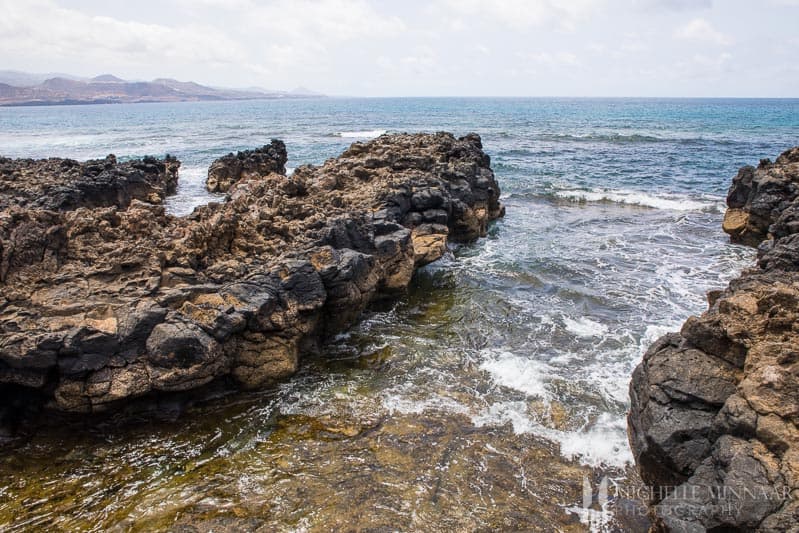
Just fifteen minutes from Fuerteventura lies Lobos Island, one of the best-kept secrets in the Canary Islands. Don’t be fooled by its size. This small island packs in a world of contrasts, from tranquil lagoons and dusty trails to a dramatic volcanic landscape that feels untouched by time.

Lobos Island bay view.

Officially part of a natural park, Isla de Lobos is wild, raw, and refreshingly simple; a place where the loudest sound is the wind and the sea arguing over who’s boss.

You can spot Lanzarote shimmering across the strait, teasing you with its distant peaks while you crunch across black rock and golden sand. Most visitors make a beeline for the beaches, but for me, the real magic unfolded on the trail, a half-day hike that loops the island, climbs its highest peak, and leaves you both sunburnt and speechless.

Los lobos volcano view from a boat.

Why Visit Lobos Island

Let’s clear this up first. Los Lobos is the band that sang La Bamba; Islote de Lobos is the tiny island off Fuerteventura where you’ll find peace, not guitars.

Barely above sea level, this speck of land is a tangle of volcanic rock, salt flats, and turquoise lagoons, officially protected as a nature reserve. Small enough to walk around in a few hours, yet wild enough to make you feel wonderfully lost, it’s one of those rare places where nature still calls the shots.

This island is the only place in the Canaries where such rugged simplicity feels so complete. The fauna is as unfazed as the scenery – lizards lazing on lava stones, seabirds gliding in slow circles, everything moving to the rhythm of the wind and waves.

Getting on boat to los lobos island.
A boy looking at down at a glass bottomed boat.
Glass panels on the floor of a boat.
Fuerteventura volcano view from a boat.

How to get to Isla de Lobos

Most trips to Isla de Lobos start in Corralejo, the lively port town on Fuerteventura’s northern coast. From here, ferries shuttle visitors across the short stretch of water to the island’s tiny dock, the only entry point into this peaceful paradise. The journey takes about 15 minutes, just long enough to feel the salt spray on your face and forget whatever mainland chaos you left behind.

We booked our basic tickets through GetYourGuide, which ran like clockwork; on time, efficient, and stress-free. Ferries are limited, so book in advance, especially in high season. If you fancy something livelier, there’s a 4-hour sailing trip that includes snorkelling and drinks, or a speedboat option for a bit more action. Those after a flexible schedule can also hop on a water taxi from the same port.

To protect the island’s fragile ecosystem, a free permit is required for all destinations within the park. You can apply online ahead of time. The system is simple, but slots are limited, so plan a day or two in advance.

For the best experience, catch an early ferry when the air is still cool and the crowds haven’t arrived. We took the 10 a.m. boat over and returned on the 2:20 p.m. sailing, just enough time to loop the island, climb the volcano, and cool off before heading back to civilisation.

Outside view of the toilets on los lobos island.

What to Pack

There’s no shade, no cafés, and no corner shops on Isla de Lobos, so whatever you bring is all you’ll have. Keep it light but clever. Here’s what actually matters:

  • Light backpack: just enough room for essentials, nothing bulky.
  • Sturdy shoes: volcanic gravel isn’t kind to flip-flops.
  • Hat and sunscreen: the sun hits hard, even when it’s windy.
  • Plenty of water: more than you think you’ll need; there’s nowhere to refill.
  • Sunglasses: that volcanic glare is real.
  • Camera or binoculars: for those panoramic views of Fuerteventura and Lanzarote.
  • Tissues or wipes: no facilities on the trail.

We skipped the beach gear and didn’t regret it. Towels, snorkels, and floaties sound fun until you’re trudging uphill in the sun. Packing light made the hike easier and the sense of freedom even better.

Tidal pools on los lobos island.
View from a rock beach looking at boats.
View from the top of a volcano looking over los lobos island.
Overview of los lobos beach.

Beaches or Hike?

On Lobos Island, the day boils down to two choices: beach towel or trail shoes. You can go sunbathing and swimming in the calm turquoise shallows at Puertito de Lobos, where patches of pale sand mix with dark volcanic rock, or wander to Playa de la Concha, a sheltered crescent that’s perfect for a leisurely swim. Between them lies Las Lagunitas, a chain of tidal pools that shimmer and shift colour as the light changes through the day.

We chose the hike, the full island loop, taken clockwise. It threads past those same beaches and Lagunitas, hugs the coast, and climbs Montaña La Caldera for sweeping views of Lanzarote and Fuerteventura. Fewer people, more variety, and that satisfying “we did the whole thing” feeling, plus no towels or snorkel kits weighing us down!

Both options have their charm. If you’re after an easy, laid-back day, the lagoon and Playa de la Concha are bliss. But if you’ve got good shoes and a curious streak, the island loop reveals the real island: wild, volcanic, and quietly spectacular.

A young adult male with his arms stretched getting his photo taken on a hike.
A young adult and woman posing together on top of los lobos volcano.
A young adult male getting his photo taken on a hike.

The Clockwise Loop Hike

Stepping off the Lobos boat at the small dock feels like landing on another planet. The trail begins gently, following the boardwalk past the salt marsh of Las Lagunitas, where migratory birds feed in the shallow pools.

This opening stretch is flat and wide, giving you time to absorb the barrenness; the baked earth, the hush, the endless blue horizon. Even here, it’s clear that the Island of Lobos belongs more to the wind and sea than to people.

As the path curves along the west coast, the scenery shifts from pale white sand to jagged volcanic rock, broken by bursts of hardy flora clinging to the cracks. You’ll spot occasional natural pools shimmering in crystal clear waters, reminders that this is one of the natural areas protected as a Special Protection Area for seabirds and marine life.

The highest point comes next: Montaña La Caldera. The climb is steep but short, each turn revealing wider views: Lanzarote floating in the haze to the north, Fuerteventura sprawling behind. At the summit, the wind snaps and whistles, and it’s easy to imagine the monk seals (or sea lions) that once gave the island its name basking here before humans arrived.

From there, the trail descends toward the northern tip, where the Faro de Punta Martiño lighthouse keeps solitary watch. The final stretch follows the east coast, tracing lava-streaked shorelines and low dunes, the sea glittering under the midday sun.

We reached the dock with thirty minutes to spare – dusty, sun-flushed, and quietly elated. Four hours, one volcano, and a thousand shades of blue later, the island of Lobos had completely worked its spell.

Tips for a Smooth Trip

  • Mind the trade winds: It can be breezy even when it’s hot. A light windbreaker beats shivering on the summit in sweaty cotton.
  • Tide check = better swims: El Puertito has natural pools are tide-sensitive; a mid to high tide is usually clearer and deeper.
  • Feet first: Volcanic grit eats flimsy soles. Low hikers or sturdy trainers beat sandals; reef shoes help if you’ll wade at Puertito.
  • Electrolytes > extra snacks: You’ll feel the sun before hunger. One small sachet in your water bottle keeps you sharper than a granola bar.
  • Stay on the designated track: The island of Lobos is fragile. Stick to the boardwalks and marked paths; shortcuts crush plants and disturb birds.
  • Bathroom reality check: No facilities on the island trails. Sort yourself in Corralejo before boarding.
A young adult male standing in front of a wooden bridge getting his photo taken on a hike.
A woman getting her photo taken on a hiking trail on los lobos island.
A young adult and woman posing together on top of los lobos volcano.

Final Thoughts

It’s hard to believe this tiny islet, just a few kilometres from Fuerteventura, holds so many different landscapes in one loop: salt marshes, black lava, pale dunes, and turquoise waters that seem painted on rather than real.

Standing by the lighthouse at Punta Martiño, I couldn’t help but picture the old lighthouse keeper, once living out here with only seabirds and the crash of the ocean for company. Further south, traces of local fishermen remain near the harbour, reminders that people once worked these shores long before day-tripping tourists and the occasional windsurfing board appeared on the horizon.

History lingers quietly here. Centuries ago, Spanish conquerors stopped at Lobos to restock and fish, drawn by its isolation and calm bay. Today, the same stillness remains, just fewer nets and more cameras. You reach it on a small ferry, not a galleon, and your spoils are photos, salt-streaked skin, and a satisfied grin.

There’s no café, no nightlife, yet that’s the point. Lobos is for those who trade comfort for curiosity. Four hours, one volcano, and a thousand shades of blue later, I stepped off the boat back in Corralejo, certain of one thing: sometimes the smallest places leave the biggest mark.

December 6, 2025 Uncategorized

16 Best Things To Do in Bangkok in 2026

Bangkok had me at hello. Gold spires over the river, wok smoke curling into the night, and that joyful, messy hum only a big city can pull off. This was my first time, so I built this list from what genuinely wowed me on the ground, plus local tips and places travellers rave about.

Bangkok city skyline.

It’s not a box-ticking marathon; it’s about rhythm: quiet temple mornings, spicy bowls when the heat peaks, and rooftop views when the sky turns honey. Here are the 16 items that capture why Bangkok gets under your skin.

1. Damnoen Saduak Market and Maeklong Railway Market

Damnoen Saduak railway Market, one of the things to do in bangkok.

One of my favourite fun things to do in Bangkok is to visit the chaotic Bangkok markets and great street food stalls. I stood inches from the Maeklong tracks as vendors whisked awnings away for the passing train, then drifted by boats grilling satay and flipping coconut pancakes at Damnoen Saduak.

It’s ideal for first-timers, foodies, and photographers who want a big “wow” in a single morning; expect an early start, a quick long-tail ride, and plenty of haggling. Tickets are easiest online, and hotel pickup keeps it fuss-free, so click here to book the tour.

Address: Damnoen Saduak, Damnoen Saduak District, Ratchaburi 70130, Thailand

2. Watch a Muay Thai Boxing match

Outside Rajadamnern Stadium in bangkok.

Watching Muay Thai at Rajadamnern Stadium is a must if you’re hunting for things to do in Bangkok beyond temples and markets. I grabbed a ringside seat and felt the drums and pipes of the wai khru ripple through the crowd before the first explosive kick—fast, technical, and electric from bell to bell.

It’s perfect for first-timers, sports fans, and photographers who want atmosphere plus action; expect clear views, officiated bouts, and easy entry with e-tickets. Go for evening fights to cap off your day, and click here to book your seats.

3. Take a Guided Tour to Grand Palace, Wat Pho, and Wat Arun

Gold ornamental statues at the Grand Palace, Bangkok.

This is my crash course in Bangkok’s temple-and-royal history: Emerald Buddha at the Grand Palace, the Reclining Buddha at Wat Pho, then a quick ferry to Wat Arun’s porcelain spires. Three icons, one smooth route with a guide to decode the details.

It’s ideal for first-timers and photographers; dress modestly, go early to beat crowds, and book your tour here. Sidenote for the whole shebang: the morning tuk-tuk route to Golden Mount & Marble Temple adds climbs up Golden Mount and gleaming shots at Wat Benchamabophit.

4. Go on a luxurious Chao Phraya River cruise

A lady taking photos on a night cruise.

This 5-star dinner cruise is a dreamy pick for things to do in Bangkok at night, complete with skyline views, live music, and a generous buffet. I timed mine for sunset and watched Wat Arun and the Grand Palace glow as we glided under neon-lit bridges with a glass in hand.

It’s perfect for couples, families, and anyone who wants the sights without the heat; expect reserved seating, AC indoors, and an open deck for photos. Book the upper deck for the best shots and go smart-casual. You can book tickets here.

5. Gawk at amazing views from Mahanakhon SkyWalk

Group of people on the rooftop bar on a building called Mahanakhon Skywalk in Bangkok Thailand.

Mahanakhon SkyWalk is a head-spinning pick for sightseeing in Bangkok, especially at sunset. I edged onto the glass tray on the 78th floor, then lingered on the rooftop for 360° city views; river, BTS lines, the whole glittering sprawl.

Go for golden hour if you can; it’s easy to reach via Chong Nonsi BTS, and e-tickets mean quick entry. For the best experience, time your slot for sunset and click here to book your SkyWalk ticket.

6. Do a Night Tuk-Tuk Michelin Food Crawl

A tuk tuk driving through Chinatown street in Bangkok.

For me, this tour nails it: a breezy night of award-listed bites and genuinely unique things to do in Bangkok. I hopped between award-listed stalls by tuk-tuk, sampling silky boat noodles, wok-kissed noodles, skewers hot off the grill, and a cheeky mango sticky rice to finish. No queues, just eat and roll.

It’s perfect for first-timers, foodies, and anyone short on time who still wants big flavour; expect a small group, a central meeting point, and a fun, breezy pace. Bring cash for extras, mention dietary needs early, and click here to book your tuk-tuk food tour.

7. Eat Like an Insider

A street food truck in Bangkok.

Not into Michelin? This tour serves up insider bites and memorable stuff to do in Bangkok. I loved the chef-led curation. Think tiny shophouses, regional specialties, and dishes you’d never stumble on alone, plus the small group makes it feel like a private tasting.

It’s ideal for curious eaters who want authenticity without the guesswork; expect 3–4 stops, a mix of savoury bites and sweets, and easy meeting-point logistics. Go hungry, bring cash for extras, and click here to book your chef-designed tour.

8. Train Like a Local in Muay Thai

Young adult man and woman training in Muay Thai.

This is a great pick for what to do in Bangkok if you’d rather get hands-on than just watch a match. It’s beginner-friendly, coach-led, and covers the basics – stance, simple strikes, pad work – with all equipment provided.

Ideal for first-timers, solo travellers, and active couples; expect a warm-up, technique drills, plenty of water breaks, and a supportive vibe. Wear a gym kit, bring a small towel, arrive a few minutes early, and click here to book your beginner Muay Thai class.

9. Chase thrills at Dream World Bangkok

The top of a roller coaster at Dream World Bangkok.

This theme park is a colourful, family-friendly pick for things to do in Bangkok for families, especially if you’re tackling the city with kids. Expect classic coasters and water rides, gentler zones for little ones, plus photo spots like Snow Town and the Giant’s House.

It suits families and groups who want theme-park fun without leaving the city; plan 3–5 hours and aim for weekdays to dodge queues. E-tickets make entry easy, and the park is a straightforward drive from central Bangkok. Click here to book your Dream World tickets.

10. Cook Authentic Thai Cuisine

A woman selling vegetables at a local market in bangkok.

A cooking class ranks among the top things to do in Bangkok if you’re craving authentic Thai cuisine with real context. You’ll browse a local market shoulder-to-shoulder with locals, then tackle a cooking class that teaches the balance behind traditional Thai dishes. Think curry pastes pounded by hand, pad thai, and tom yum, while the woks roar with intense heat.

It’s ideal for food-curious travellers and small groups; expect an English-speaking chef, veggie options, and an air-conditioned kitchen after the market stroll. Morning or afternoon slots book out fast, click here to reserve your spot.

11. Reset with baths, sauna, and tea

A woman laying down receiving a massage.

This is a blissful reset and one of the most soothing things to do in Bangkok for couples. Slip from the busy streets and crowded malls into mineral baths, steam rooms, and saunas that blend Japanese onsen rituals with Thai culture, perfect when the intense humidity of the city of Bangkok has drained your batteries.

Upgrade with a traditional Thai massage or a quick foot massage, then linger over tea before heading back out refreshed. Lockers, robes, and toiletries are provided, so you can travel light. Click here to book your all-day pass.

12. Get happily lost at Chatuchak Weekend Market

A lady shopping and looking at a rack of scarves.

Chatuchak Weekend Market is Bangkok shopping at full throttle, with quick access on the sky train (BTS Mo Chit) or MRT Chatuchak Park. Expect endless lanes of stalls selling vintage clothes, Thai ceramics, plants, homeware, and street snacks.

Weekends are the blockbuster sessions, so check opening hours before you go, arrive early, and bring cash for haggling.

13. Meet Bangkok’s monitor lizards in Lumpini Park

A large scaled monitor lizard in a park in Thailand.

Lumphini Park is Bangkok’s green lung; serene lakes, shaded paths, and massive reptiles basking by the water in one of the busiest cities in the world. It’s a calm reset for jogs, picnics, and pedal-boat spins, and it welcomes many visitors every day.

Ride BTS Sala Daeng or MRT Lumphini/Silom for easy access, then wander under the trees or join a free tai-chi group with locals. Go early or late for cooler temps and skyline views over the water.

14. Enjoy bite by bite through Chinatown

A view down the street of Chinatown in Bangkok with bright and colourful street signs.

Bangkok’s Chinatown is a neon swirl of gold shops, shrines, and sizzling woks, with Yaowarat Road as the main artery. I like to wander the side streets for grill smoke, herbal soups, and old shophouses stacked with teas and tonics.

Go at night when the signs light up and the queues move fast; bring cash and pace yourself with sweet treats between savoury stops. MRT Wat Mangkon drops you a short stroll from Yaowarat Road, then just follow your nose.

15. Shop ’til you drop

A view of the levels inside ICONSIAM, a department store in Bangkok.

Bangkok’s shopping centres are a sport: ICONSIAM (riverside spectacle), CentralWorld (one of the biggest), Siam Paragon and Siam Center (luxury + trend-led fashion in a central location), MBK (bargain heaven) EmQuartier/Emporium (slick Sukhumvit twins), Terminal 21 (airport-themed), and Platinum (wholesale fashion).

Most link to the BTS skytrain, so you can mall-hop in AC, snack between floors, and cover everything from streetwear to couture in a single afternoon.

16. Toast the city from a sky bar

View from the top of a rooftop bar with red high tables and chairs.

This is for anyone who lives for rooftop bars, a polished sky bar with sweeping Sukhumvit views, perfect if you’ve only got one night in Bangkok. Think breezy cocktails, skyline photos, and a lively, grown-up vibe.

If nightlife-with-views is your thing, reserve ahead to lock a timeslot and skip the wait. Dress smart-casual and book tickets here.

Quick Travel Itineraries For Bangkok

Here are bite-sized Bangkok itineraries using only the places and tours I’ve mentioned above, which is perfect for first-timers, food lovers, and night-owls. I’ve included direct booking links so you can lock things in fast.

1 Day in Bangkok Itinerary

Start in the Old City with the Grand Palace, Wat Pho & Wat Arun guided tour—it strings the icons together smoothly, and if you’re up early, you can swing by the flower market (Pak Khlong Talat) first. Cross to Wat Arun by ferry, then head up to Chinatown for a quick lunch and neon-lit lanes you’ll pass again after dark.

Cool off with a stroll in Lumphini Park, then ride the BTS to golden hour at the Mahanakhon SkyWalk. For the evening, pick your vibe: a rolling feast on the Michelin tuk-tuk street food tour or skyline cocktails at Above Eleven.

The way between two stupas in Wat Pho, Bangkok.

2-3 Days in Bangkok Itinerary

Day 1: Start in the Old City with the Grand Palace, Wat Pho & Wat Arun guided tour; if you’re early, swing by the flower market (Pak Khlong Talat) first. Lunch in Chinatown, then ride the BTS for golden hour at the Mahanakhon SkyWalk before choosing night vibes: a rolling feast on the Michelin tuk-tuk street food tour or rooftop cocktails at Above Eleven.

Day 2: Go early for the day trip pairing of Maeklong Railway Market + Damnoen Saduak Floating Market (book here) and be back mid-afternoon. Reset with soaks at Yunomori Onsen or a stroll in Lumphini, then pick an evening: an official Muay Thai match at Rajadamnern or a twilight Chao Phraya dinner cruise.

Day 3 (if you have it): Go hands-on with a market-to-wok session at the Sathon Thai cooking class, then mall-hop the central cluster (Siam Paragon/Siam Center/CentralWorld) or do a family day at Dream World. Wrap with Chinatown snacks or one last sky-high drink, so your BTS loop keeps it all neat and easy.

1 Week in Bangkok Itinerary

Day 1: Old City icons

Start with the Grand Palace, Wat Pho & Wat Arun guided tour; if you’re early, swing by the flower market (Pak Khlong Talat). Lunch in Chinatown, then ferry back and wind down along the river.

Day 2: Markets + skyline

Morning stroll in Lumphini Park, mall-hop (Siam Paragon/Siam Center/CentralWorld), and rest up. Hit golden hour at the Mahanakhon SkyWalk, then choose either the Michelin tuk-tuk street food tour or rooftop drinks at Above Eleven.

Day 3: Floating + railway markets day trip

Go early for Maeklong Railway Market and Damnoen Saduak Floating Market—book here. Back in town mid-afternoon, soak and reset at Yunomori Onsen.

Day 4: Cooking + shopping

Shop at a local market, then learn classics at a Thai cooking class. Afternoon for AC retail therapy (MBK/Platinum for bargains), then Chinatown snacks after dark.
Day 5: Parks, spas, and a river night

Have an easy morning at Lumphini Park or a spa hour. Reserve an evening Chao Phraya dinner cruise for temple silhouettes and city lights.

Day 6: Muay Thai + alternative temples

Choose your adrenaline: an official Muay Thai match at Rajadamnern or a beginner class. If you want “the whole shebang,” add a morning tuk-tuk hop to Golden Mount and the Marble Temple—book here.

Day 7: Weekend market + last views

If it’s a weekend, dive into Chatuchak Weekend Market for gifts and snacks; otherwise, mall-hop or take the family to Dream World. Close with one last rooftop toast at Above Eleven or another street-food run.

Aerial view of the Sukhumvit area in Bangkok.

Where to Stay in Bangkok

Bangkok’s neighborhoods each have a distinct vibe: Sukhumvit for buzz and BTS access, Old Bangkok for temples and history, Riverside for views and calmer nights. Pick the base that fits your style so you spend less time commuting and more time enjoying the city.

Sukhumvit area – best for nightlife, shopping, first-timers

Big-city energy, skytrain links, restaurants and bars on every corner, this is modern Thailand at full tilt. It’s busy, glossy, and convenient, with lanes (sois) that hide cocktail bars, spas, and street food. Stay at the highly rated Carlton Hotel Bangkok Sukhumvit for a sleek base steps from BTS.

Old Bangkok (Rattanakosin/Old City) – best for history, temples, culture

Think river breezes, golden spires, and walking distance to the Grand Palace, Wat Pho, Bangkok’s museums, and the flower market (Pak Khlong Talat). Khao San Road is nearby but seedy and, frankly, not worth the detour. Save your evening for riverside views or Chinatown instead. For a central, pool-equipped stay, check Siri Ratchadamnoen Bangkok Hotel.

Riverside/Sathorn – best for views, relaxed vibes, families

Skylines, ferries, and sunset cruises give this area an easy pace compared to downtown, with upscale malls and night markets nearby. You’ll find leafy pockets, rooftop bars, and quick boat hops to major temples. Book a river-view room at Millennium Hilton Bangkok for pool decks and ICONSIAM access.

Best Restaurants in Bangkok

This is by no means an exhaustive list. Bangkok is bursting with fantastic eats in every neighbourhood, from food courts to fine dining and seafood galore.

JUMBO Seafood (ICONSIAM)

Singaporean seafood with river views and slick service; mid-to-high spend. The award-winning Singapore chilli crab is outrageously good (black pepper crab, too), and the fresh sea urchin and live-tank selection make it a seafood lover’s playground. Website

Singapore crab served in a wok.

Raan Jay Fai

Bangkok’s cult, one-star street-food legend; pricey for street food, but unforgettable. Order the crab omelette and the spicy drunken noodles, and build in time for the queue. Michelin page

nahm (COMO Metropolitan)

Refined Thai with bold, beautifully balanced flavours; special-occasion pricing. Expect heritage recipes and superlative curries in a calm, elegant setting. Website

Somboon Seafood (CentralWorld)

Local favourite; mid-range, fast service, great for groups near the malls. Don’t miss the signature fried curry crab and morning glory. Website

Phed Mark (Ekkamai)

Laser-focused on pad kra pao; cheap, fast, and near BTS Ekkamai. Go spicy and crown it with a fried egg. Website

Getting to Bangkok

Suvarnabhumi airport in Bangkok.

Most travellers fly into Suvarnabhumi (BKK), Bangkok’s main international hub; Don Mueang (DMK) handles many regional low-cost carriers. From the US and UK, you’ll find nonstop or easy one-stop options via major hubs, then it’s 25–45 minutes into town by Airport Rail Link or taxi.

Bangkok also works as a base for side trips: hop short domestic flights or take scenic trains to Chiang Mai, Hua Hin, or the islands.

Once in the city, skip renting a car; use the BTS Skytrain, MRT subway, and river boats for fast, air-conditioned hops. Taxis and tuk-tuks are everywhere, but most visitors prefer Grab (Uber doesn’t operate in Thailand); walking works in pockets like Sukhumvit and the Old City, but plan around heat and traffic.

Things To Do in Bangkok: FAQs

Here are some answers to commonly asked questions about visiting Bangkok.

What is Bangkok known for?

Bangkok is known for its gilded temples and royal history; think the Grand Palace, Wat Pho, and Wat Arun, lighting up the river at dusk. It’s equally about the food: late-night markets, sizzling wok aromas, and bowls of noodles you’ll dream about later. And then there’s Muay Thai, long-tail boats on the Chao Phraya, and that lively, irresistible city buzz.

When is the best time to visit Bangkok?

Generally, November–February is best because it is cooler, drier, and great for sightseeing. March–May is scorching, while June–October brings the rainy season(monsoon): short downpours, a greener city, fewer tourist crowds, and better rates. If you’re chasing festivals, go for Songkran in mid-April (wild water fights) or Loy Krathong in November, which is busy but magical.

Is Bangkok worth visiting?

Yes. Bangkok is absolutely worth it and stands out among the most visited cities in Southeast Asia.

Beyond the food and river buzz, visiting temples like the Grand Palace, Wat Pho, and Wat Arun gives the trip real depth. It’s also an easy, affordable hub for day trips and onward travel.

How many days should I spend in Bangkok?

Aim for 3–4 full days to feel the big city rhythm: daytime for temples and ferries, nights for street food. In a rush, 2 days cover the highlights; with 5–6 days, you can add markets, a cooking class, or a day trip. Save one evening for skyline views from viewpoints and towering skyscrapers at sunset.

Is Bangkok safe?

Bangkok is generally safe, and most visitors have a smooth trip, especially around shopping malls and main transit areas. Petty theft can happen in crowded spots, so keep valuables close and follow locals’ cues on where to walk and how to get around. Parks and green spaces are relaxed and well-used by locals, making them easy places to unwind.

What is the most popular thing to do in Bangkok?

At the top of most lists is the Grand Palace, iconic, busy, and dazzling. Right alongside, eating Thai food is a must, from curbside stalls to chic riverside spots.

What foods should I try in Bangkok?

Start with street classics: pad kra pao (holy basil stir-fry), boat noodles, pad thai, som tam, and grilled pork skewers (moo ping). Warm up with tom yum or tom kha, then hunt down regional stars like khao soi and Southern curries. Finish sweet with mango sticky rice, coconut ice cream, or khanom bueang (Thai crêpes).

Is 3 days enough in Bangkok?

Yes. Three days can be enough for a punchy overview, and many travel bloggers map out tight 72-hour guides that work well. On my recent trip, I focused on one temple cluster per morning (watch the entrance fee dress-code notes) and saved evenings for street food crawls. You won’t see everything, but you’ll get the rhythm of the city.

December 6, 2025 Uncategorized

25 Best Things To Do In Tenerife in 2026

Woman looking over a cliff.

Every time I step back onto Tenerife, the island greets me like an old friend, bursting with natural things to do that make each visit unforgettable. Whether it’s soaking up the sun on diverse beaches or deciding which crystal-clear water to dive into, the natural beauty of Tenerife is always the highlight of my trip.

Tenerife offers more than the typical seaside holiday. As the biggest of the Canary Islands, its natural wonders extend far beyond its shores. 

From the awe-inspiring hikes up the rugged trails of Teide to wandering through the verdant Anaga forests, the natural things to do in Tenerife are endless. This island isn’t just a getaway; it’s a must if you are looking for a playground for the soul, endlessly surprising with its natural splendor.

25 Things To Do In Tenerife

From personal experience, I can tell you that the real magic of Tenerife isn’t just in its sun-kissed beaches or the majestic Teide that watches over us. It’s in the everyday moments turned extraordinary. Whether snorkeling in crystal-clear waters, exploring quaint villages, or indulging in the local cuisine, the list of things to do in Tenerife is as endless as the island’s sunny days.

Best Things To Do in Tenerife

If you are looking for the best things to see in Tenerife, buckle up, my fellow travel enthusiasts, because I’m about to spill the tea on the list of the best attractions in Tenerife, crafted from my countless escapades and adventures on this sun-soaked isle. This isn’t just any list; it’s your golden ticket to the heart and soul of Tenerife, packed with insider tips and laugh-out-loud memories.

Table of Contents

  • 25 Things To Do In Tenerife
    • 1. Mount Teide Tour with Cable Car
    • 2. Tenerife: Kayaking and Snorkeling with Turtles
    • 3. Los Gigantes Cliffs Boat Tours
    • 4. Siam Park: The Reigning Monarch of Water Parks
    • Top Tip
    • 5. Loro Parque: A Global Conservation Beacon
    • 6. Masca Valley Trekking
    • 7. Whale and Dolphin Watching Tours: Connecting with Marine Giants
    • 8. Teide National Park Stargazing Experience
    • 9. Anaga Rural Park Exploration
    • 10. San Cristóbal de La Laguna: A Journey Through History
    • 11. La Orotava Valley Wanderlust
    • 12. Garachico’s Natural Pools: Swimming in Volcanic Beauty
    • 13. Aqualand Costa Adeje: Splashes and Smiles for the Family
    • 14. Jungle Park: The Wild Side of Tenerife
    • 15. Camel Park: A Desert Experience in Tenerife
    • 16. Castillo de San Miguel: Medieval Times Reimagined
    • 17. Buggy Tours: Adventure on Four Wheels
    • 18. Shopping in Santa Cruz de Tenerife and La Laguna: A Treasure Hunt
    • 19. Pirámides de Güímar: Exploring the Mystery
    • 20. Spas and Wellness Centers: Rejuvenation in Paradise
    • 21. Wine Tasting Tours: Savoring Tenerife’s Flavors
    • 22. Golfing in Tenerife: A Swing with a View
    • 23. Night Life
    • 24. Flamenco Shows
    • 25. Paragliding
    • Getting To Tenerife
    • In Closing

1. Mount Teide Tour with Cable Car

A cable car going down a mountain.

Fancy floating up to Spain’s highest peak in a cable car? That’s the Mount Teide cable tour for you – a real eye-opener that transforms “high expectations” into a literal concept. This isn’t just a ride; it’s your ticket to the moon, well, given Teide’s lunar landscapes.

Let me paint you a picture: you’re gliding up, and the world transforms below – from verdant to volcanic. It’s not every day you hover above clouds, right? And the views – oh boy, they’re like Tenerife decided to show off.

Whether snapping pics or just soaking it in, this tour is a bragging right in itself, and trust me, after you’ve seen the island from up there, even your most travel-savvy pals will be turning a shade of green.

Book your cable car tour here.

2. Tenerife: Kayaking and Snorkeling with Turtles

A turtle in the blue sea.

Ready for an aquatic adventure that brings you face-to-face with nature’s gentle giants? Tenerife’s kayaking and snorkeling with turtles experience offers a serene journey through crystal-clear waters where the real stars are the majestic sea turtles.

This isn’t just any water activity; it’s a serene glide across the ocean’s surface, paddling through the waves, with the sun warming your back and the cool water below teeming with life.

Here, in the turtles’ natural habitat, you’ll float alongside these serene creatures, observing them in their daily ballet. Each snorkel brings a new discovery, from schools of colorful fish to intriguing sea plants swaying gently in the current. It’s an intimate encounter with the ocean’s wonders, a moment where time seems to stand still.

Book your snorkelling with turtles experience here.

3. Los Gigantes Cliffs Boat Tours

A boat sailing with cliffs in the background,

Have you ever felt tiny next to nature’s giants? That’s the awe of Los Gigantes cliffs, best seen from the sea where they tower above, merging dramatically with the ocean.

This part of Tenerife is bound to leave you breathless. Perfect for anyone, these boat tours offer breathtaking views and dolphin or whale sightings in pristine waters against a majestic backdrop.

Tour booking is simple, with choices from luxury yachts to cozy sailboats. From my sailing adventures around Tenerife, I’ve learned the sea offers the best island views. Keep your camera ready for the imposing cliffs and the vibrant marine life. It’s a vivid, direct encounter with nature’s grandeur. Click here to book.

4. Siam Park: The Reigning Monarch of Water Parks

Above view of a wave pool at Siam water park full of people.

Siam Park, set in Costa Adeje in southern Tenerife, isn’t your average water park; it’s a Thai-inspired aquatic kingdom ranked among the world’s best. Offering everything from the intense Tower of Power slide to a serene lazy river, it caters to families, adrenaline junkies, and relaxation seekers. This award-winning park will offer you one of the most unique experiences in the Canary Islands.

My own day here combined thrills and peace amidst an exotic setting. My personal favorite is the lazy Mai Thai River. Make sure to discover its hidden side route—you will love it! Overall, Siam Park excels in offering both fun and tranquility, adding a unique touch to Tenerife’s varied attractions. It is one of the top things in Tenerife, for sure.

Top Tip

Due to its fame, advance online booking is advised. Keep in mind that it gets really, really crowded in the summer months. However, if you want to enjoy Siam Park on your summer vacation to Tenerife, here is a true insider tip: visit this mind-blowing water park on a weekend rather than on a weekday.

5. Loro Parque: A Global Conservation Beacon

Penguins at a zoo.

Loro Parque in Puerto de la Cruz, north of the island, has grown beyond its parrot origins into a renowned zoo and conservation hub, acclaimed for its dedication to animal welfare, education, and conservation. A great thing about Loro Parque is its constant expansion and innovation.

Even if you are not a newcomer to Tenerife and the Park, you are guaranteed to find a new one-of-a-kind exhibit every year. Thus, this year, you can discover the brand new Coral Kingdom, the biggest riff outside the oceans that will help protect corals in nature.

From personal experience, a day at Loro Parque reveals the depth of care and research dedicated to each species. It’s a zoo and a sanctuary promoting conservation and respect for nature. It’s one of the best places to visit in Tenerife. Book your tickets now!

TOP TIP: Visit this park in Tenerife early in the day to fully take advantage of the many exhibits and shows. Here is an exclusive insider tip for you: visit the park during the weekend rather than on a weekday. Trust me, you will thank me later.

6. Masca Valley Trekking

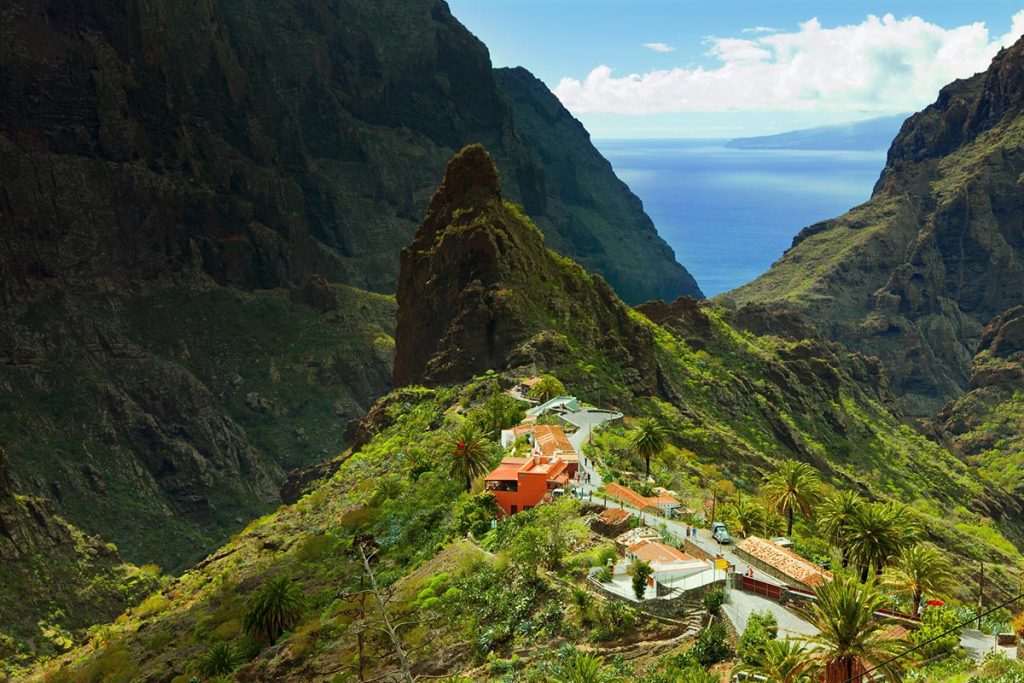
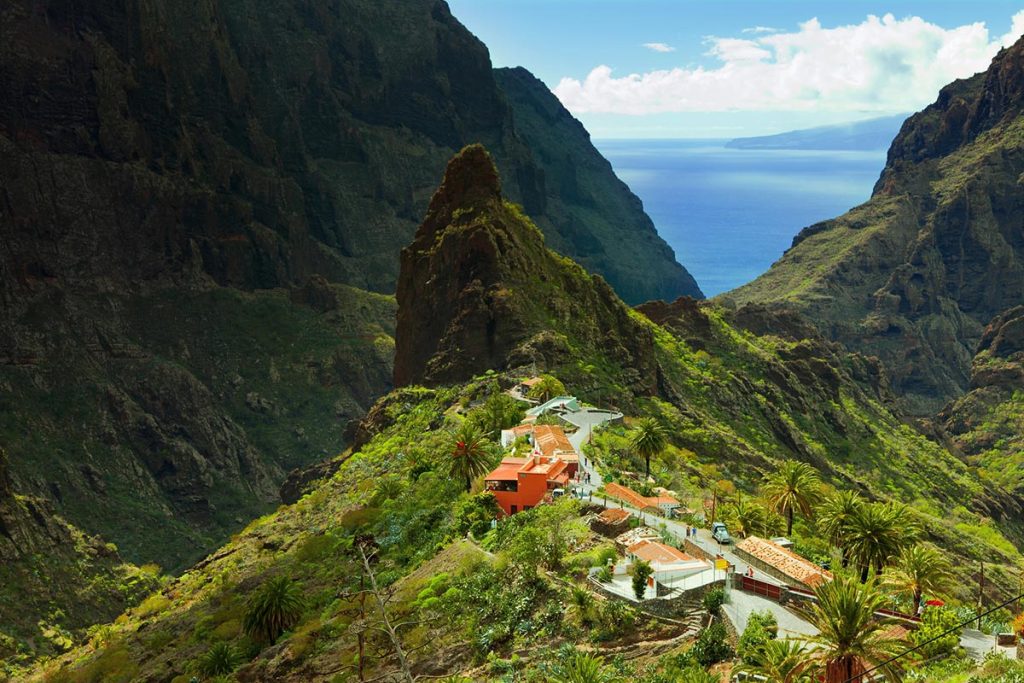
Masca Valley.

Are you craving an escape to untouched natural beauty? Masca Valley, north of Tenerife, is your perfect retreat. Ideal for adventurers and nature lovers, this trek offers rugged paths, stunning vistas, and a welcoming village charm.

To tackle this trail from the quaint Masca village, just grab sturdy shoes and an adventurous spirit. As someone who’s explored Tenerife’s landscapes, I promise that the challenging paths lead to breathtaking rewards: unique flora and expansive ocean views. The sense of accomplishment and awe-inspiring scenery are truly transformative.

Click here to book your next adventurer.

7. Whale and Dolphin Watching Tours: Connecting with Marine Giants

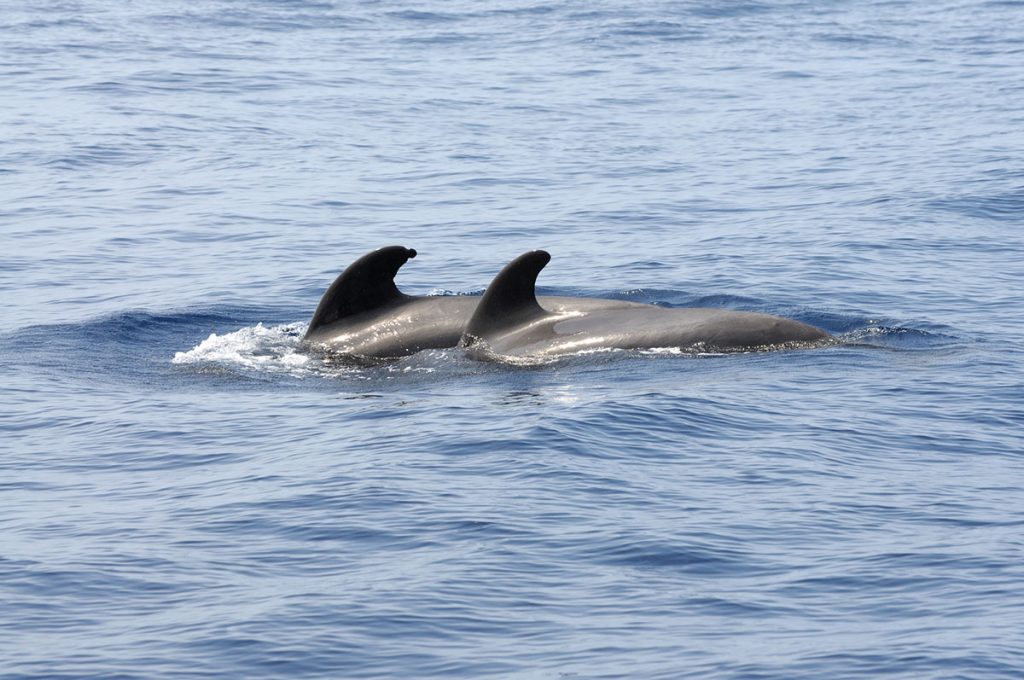
2 dolphins coming out of the water.

Tenerife’s surrounding waters are a sanctuary for whales and dolphins, ranking among the top places globally for observing these creatures in their natural setting. The tours offer a chance to watch these majestic animals up close, an experience cherished by nature enthusiasts, families, and anyone eager to witness marine beauty first hand.

Having experienced one of these tours, I can attest to the awe-inspiring sight of dolphins frolicking and whales cruising the ocean’s expanse. This encounter highlights the marvels lying beyond our coastlines and underscores the need for marine conservation.

Tour operators prioritize respectful wildlife observation, ensuring a magical yet mindful experience with these spectacular beings. Go on, book your whale and dolphin watching tour.

8. Teide National Park Stargazing Experience

Teide National Park at night.

Have you ever dreamed of a night under the stars where the Milky Way feels touchable? Teide National Park offers that with its world-renowned stargazing experiences. Ideal for a romantic evening, family adventure, or personal cosmic journey, this spot is known for its clear skies and intimate connection with the universe.

Booking is easy. As you head to the park, Tenerife’s landscapes prepare you for a night when the cosmos feels personal. From a local’s perspective, observing constellations and nebulae here is not just viewing; it’s a deep, personal encounter with the universe’s grandeur.

9. Anaga Rural Park Exploration

Anaga Rural Park forests.

Wander through Anaga Rural Park’s ancient forests, a UNESCO sanctuary, where every tree tells a story. It’s a hiker’s dream, offering trails through laurel forests and along rugged coastlines, revealing Tenerife’s wild, untouched beauty from panoramic views to timeless villages.

Start at Cruz del Carmen to find a trail for every adventurer. Having explored Anaga extensively, I vouch for its enchanting, misty landscapes that offer deep, serene connections with nature. Well-marked trails guide you through the island’s heart, showcasing its rich natural and cultural heritage.

Click here to book your hiking adventure.

10. San Cristóbal de La Laguna: A Journey Through History

La laguna village.

San Cristóbal de La Laguna, a UNESCO World Heritage site, is a window into Tenerife’s storied past, featuring immaculate colonial architecture and a dynamic cultural life.

Located near Santa Cruz de Tenerife, this is the part of the island you cannot miss. Strolling its cobblestone streets, you encounter historical edifices and the buzz of the island’s intellectual hub, home to the oldest university in the Canary Islands.

My visit to La Laguna deepened my appreciation for Tenerife’s rich history and cultural mosaic. The city seamlessly marries the old with the new, offering a lively, inviting atmosphere for history enthusiasts, architecture lovers, or anyone charmed by vintage townscapes.

Book your tour here.

11. La Orotava Valley Wanderlust

The town of La Orotava, Tenerife.

La Orotava Valley is a picturesque escape where lush vineyards and historic towns meet Mount Teide’s grandeur. It’s a haven for those who love beauty, blending stunning architecture with serene gardens, encapsulating Tenerife’s tradition and natural splendor.

Take your time exploring La Orotava. Wander its historic streets, taste local wines, and immerse in its tranquil botanical gardens. My own visits have been soul-renewing, showcasing the island’s varied landscapes and rich history. Here, every view is a story, and every moment is a discovery in the heart of Tenerife.

Check out this banana plantation tour.

12. Garachico’s Natural Pools: Swimming in Volcanic Beauty

Famous Garachico Pools in Tenerife, Canary Islands.

Garachico offers a unique swimming experience in its natural volcanic pools, marrying the aftermath of nature’s fury with serene beauty. This town transforms a volcanic legacy into inviting rock pools, where history meets the tranquility of crystal-clear waters.

Swimming in Garachico, you feel the distinct mix of volcanic history and oceanic serenity. My swims here have been unforgettable, connecting deeply with Tenerife’s rugged past and resilient spirit. It’s more than a swim; it’s a reflective journey through the island’s history, perfect for anyone seeking peace amidst natural wonders.

Book your private tour now.

13. Aqualand Costa Adeje: Splashes and Smiles for the Family

Aqualand in Costa Adeje is a family favorite. It offers water slides for all ages, from gentle waves for toddlers to high-speed thrills for the adventurous. Its Dolphin Show stands out, blending entertainment with education about these fascinating creatures.

My own visit confirmed Aqualand’s perfect mix of fun and relaxation, making it a top choice for family outings in Tenerife. It promises a full day of joy with special areas for kids and chill zones for adults.

Top Tip: Booking online can streamline your entry, getting you into the splash faster.

14. Jungle Park: The Wild Side of Tenerife

Portrait of sea lion.

Jungle Park near Los Cristianos offers an immersive jungle experience in Tenerife, housing over 300 animals in naturalistic settings. Witness free-flying birds of prey and explore habitats of lions, penguins, and meerkats among verdant surroundings with waterfalls and bridges.

The awe-inspiring Bird of Prey Show highlights the deep bond between birds and handlers, underscoring the park’s commitment to conservation and education. Ideal for families and nature lovers, Jungle Park is a journey into the heart of wildlife and a celebration of nature’s diversity.

Go and get your tickets!

15. Camel Park: A Desert Experience in Tenerife

Camels in the Camel Park in Tenerife, Spain.

Camel Park, a short drive from Los Cristianos, transforms a simple camel farm into a delightful family destination, offering serene camel rides through Tenerife’s scenic countryside. Alongside, the farm allows close encounters with various animals, enchanting children and animal enthusiasts alike.

The camel rides offer a peaceful yet exciting way to explore the island’s diverse landscapes, connecting guests with nature and the calm of rural life. With friendly staff and a tranquil setting, Camel Park presents a unique retreat, inviting visitors to slow down and enjoy a different side of Tenerife.

16. Castillo de San Miguel: Medieval Times Reimagined

A rusted old canon pointing at the sea.

The Pirámides de Güímar Ethnographic Park in Güímar offers an enigmatic journey into the history of six-step pyramids, intriguing artifacts of the 19th century with unknown purposes. The park provides a comprehensive experience with its gardens, exhibitions, and a museum exploring global ancient cultures.

My visit was a deep dive into the intertwining mysteries of human civilizations. The park makes complex historical and cultural concepts accessible and appealing to those fascinated by history, archaeology, and anthropology. It’s a thought-provoking space that invites visitors to question and explore the vast tapestry of human history.

Book your tickets here to experience a medieval night.

17. Buggy Tours: Adventure on Four Wheels

A young adult male seated in a 2 person red buggy.

Buggy tours in Tenerife provide an adrenaline-fueled journey through the island’s varied terrains, from Teide’s moonscapes to verdant forests and coastal trails. These tours are perfect for adventurers wanting a unique sightseeing experience, accommodating all skill levels in a safe, thrilling ride.

My own buggy adventure was a mix of exhilaration and discovery, revealing Tenerife’s hidden gems and rough trails, often shared with intriguing local insights by the guides. It’s an ideal way to connect with others and immerse in the island’s diverse beauty firsthand.

Book your tickets, hop in, and step on it!

18. Shopping in Santa Cruz de Tenerife and La Laguna: A Treasure Hunt

Landscape photo of Santa Cruz, Spain.

Shopping in Tenerife is an eclectic blend of traditional markets, quaint boutiques, and sleek malls, with Santa Cruz de Tenerife and San Cristobal de La Laguna standing out as prime destinations.

The African Market in the capital of Tenerife offers exotic spices and local produce, while La Laguna’s boutiques present unique handmade crafts and fashion. My own exploration was a journey through diverse shopping landscapes, where each purchase felt like a deeper dive into the island’s culture.

Beyond mere shopping, it’s an immersive experience of Tenerife’s distinct neighborhoods, delicious local fare, and the warmth of its people. Whether you’re after memorable gifts, local delicacies, or new wardrobe additions, Tenerife’s shopping scene offers a vibrant taste of island life.

Why not take yourself on a self-guided tour?

19. Pirámides de Güímar: Exploring the Mystery

An old stone pyramid in the mountains.

The Pirámides de Güímar Ethnographic Park offers a journey into the enigmatic step pyramids in Güímar, structures surrounded by speculation but believed to date back to the 19th century. The park displays these fascinating pyramids and features lush gardens, engaging exhibitions, and a museum exploring global ancient cultures.

My visit was filled with historical conundrums, connecting cultural threads and pondering ancient mysteries. The park effectively demystifies complex theories, making it a must-see for those passionate about history, archaeology, or anthropology. It’s a place that fuels the imagination and encourages exploration into humanity’s enigmatic past.

Click here to book your tickets.

20. Spas and Wellness Centers: Rejuvenation in Paradise

A swimming pool with a jacuzzi at a luxury hotel.

Tenerife’s spas and wellness centers offer unparalleled relaxation, combining volcanic elements with advanced treatments for a serene retreat. They provide thermal circuits, volcanic stone massages, and tailored wellness plans, perfect for those needing a serene respite.

My personal volcanic stone massage experience was profoundly relaxing, marrying the stones’ warmth with expert techniques for complete muscle rejuvenation. Tenerife’s spas are ideal for anyone seeking a day of indulgence or a comprehensive wellness journey. 

Top Tip: Look out for spas with salty water. The water comes from the Atlantic Ocean, requires minimum treatment, and represents something unique not easily found elsewhere. These spas are both refreshing and rejuvenating.

Book your day of relaxing here.

21. Wine Tasting Tours: Savoring Tenerife’s Flavors

A row of wine glasses with red wine on a wooden table.

Tenerife’s volcanic soil and diverse microclimates yield unique wines, positioning its wineries on the global map. Wine-tasting tours here offer a journey through scenic vineyards and historic cellars, allowing you to savor a spectrum of local wines, appealing to aficionados and novices and highlighting the island’s culinary heritage.

My own exploration of Tenerife’s wineries revealed the richness and diversity of its wines. Each visit provides a distinct story and taste, enriched by stunning views and a deep dive into the island’s cultural and historical backdrop, all through the lens of its esteemed wines.

Click here to get sipping!

22. Golfing in Tenerife: A Swing with a View

A golf ball on green grass with palm trees in the background.

Tenerife’s world-class golf courses blend the sport with the island’s breathtaking landscapes, from ocean vistas to Mount Teide’s grandeur. The year-round mild climate makes it a prime spot for golfers at all skill levels.

My rounds on these courses confirmed the exceptional views and challenges that define golfing in Tenerife. With well-kept facilities and top-tier services, these courses provide an unforgettable experience for avid golfers and those seeking scenic play.

23. Night Life

4 women dancing at a night club.

Are you craving a slice of Tenerife’s night scene with a side of entertainment? The island’s nightlife and dinner shows are where the magic happens. Imagine this: you’re seated under a canopy of stars, fork in one hand, a cool drink in the other, all while performers light up the stage before you. This isn’t just dinner; it’s a spectacle.

Tenerife’s got everything from sultry flamenco dancers setting the floor on fire to hilarious comedy acts that’ll have you spitting out your sangria in laughter. Each venue offers its own unique vibe, from chic and sophisticated to downright wacky.

And let’s talk about the food – it’s not just a meal; it’s part of the show, with flavors as bold and exciting as the entertainment. Book your tickets here.

24. Flamenco Shows

A lady on stage in a black and red dress dancing in a flamenco Show.

Experiencing a flamenco show in Tenerife immerses you in the dramatic and passionate world of Spain’s renowned cultural tradition. The island’s venues come alive with the raw emotion and complex choreography of Flamenco, offering an authentic showcase of dancers, musicians, and singers in perfect sync.

The intensity and beauty of these performances, set in captivating environments, ensure an unforgettable experience, resonating with anyone from romantic couples to cultural aficionados.

A flamenco night in Tenerife is more than a performance; it’s an emotive expedition into the heart of Spanish culture, leaving a lasting impact with its vibrant costumes, rhythmic beats, and expressive vocals.

25. Paragliding

A person paragliding over trees with a mountain in the background.

Have you ever dreamt of soaring like a bird with the world stretching beneath you? Paragliding in Tenerife turns that dream into a heart-pumping reality.

Picture this: you’re strapped in, you take a run, and suddenly, the ground’s slipping away. It’s just you, the sky, and an epic island view like you’ve never seen before.

This isn’t for the faint-hearted, though. The moment you’re up there, gliding over the coastlines and catching thermals, it’s an adrenaline rush mixed with pure bliss. You’ll zigzag above Tenerife’s landscapes, spying on hidden beaches and rugged mountains from a bird’s-eye view. If you allow me to say it, it’s the closest thing to having wings.

And landing? It’s smoother than you’d think, leaving you buzzed and ready to go again. Paragliding here is a must-do if it’s a thrill or a new perspective you’re chasing. Click here to book your session.

Getting To Tenerife

A man dragging a suitcase in an airport.

Considering a trip to Tenerife? Remember, visiting this enchanting Canary Island is an introduction to an unforgettable journey. Choose your arrival between Tenerife North Airport, close to vibrant Santa Cruz, or Tenerife South Airport, gateway to sun-soaked resorts. Coming from Europe? Tenerife South offers direct flights from numerous major cities, ensuring an easy and pleasant arrival.

Travelling from further afield? No problem! Convenient connecting flights typically pass through major Spanish cities or other European hubs, providing a delightful prelude to your holiday.

Prefer the ocean? Consider a scenic ferry trip from mainland Spain, combining the beauty of the sea with the excitement of arriving on new shores. Whether by air or sea, your journey to Tenerife is a significant part of your adventure. So, plan your journey – an adventure awaits in Tenerife!

Getting around Tenerife

A woman walking on a beach boardwalk smiling.

Navigating Tenerife is straightforward, much like finding a place to bask in the sunshine on this picturesque island. Regardless of whether you like to plan ahead or prefer spontaneity, Tenerife accommodates everyone.

Rent a Car

For those who relish the independence of driving, car hire offers the chance to discover the island’s diverse scenery, from lively beaches to tranquil mountains. Simply fasten your seatbelt for a picturesque journey.

Take a Bus

If driving isn’t your preference, fear not. Tenerife’s extensive bus service, known as ‘guaguas’, links key tourist destinations reliably.

Uber

For a touch of comfort, particularly from the airport to your accommodation, Uber is available in the island’s south. You can opt for the upscale Uber Black or take a traditional taxi – both provide smooth, stress-free transfers. Taxis in Tenerife use a meter, eliminating the need to haggle and ensuring clear, fair pricing.

Take the Tram

Moreover, for those keen on urban exploration, the tram line connecting Santa Cruz with La Laguna offers a stylish and efficient travel option, presenting an opportunity to view the urban landscape effortlessly.

Local Taxis

Local metered taxis are also readily available for quick trips, providing straightforward, fair service to your next destination. Whatever your preference, traversing the island is simple, allowing you to devote more time to enjoying Tenerife’s attractions.

Things To Do in Tenerife: FAQs

Here are some answers to commonly asked questions about visiting Tenerife.

What is Tenerife known for?

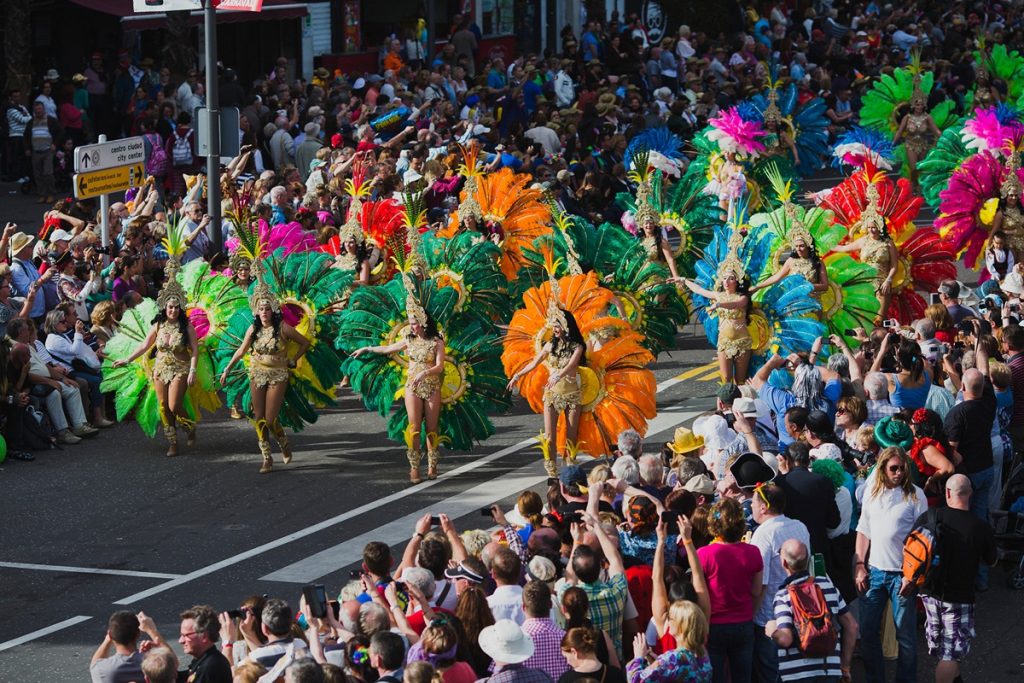
Tenerife is famous for its dramatic landscapes, including the stunning Teide National Park and beautiful beaches. The island’s vibrant festivals and delicious Canarian cuisine also draw visitors from around the globe.

When is the best time to visit Tenerife?

The best time to visit Tenerife is between April and October, when the weather is pleasantly warm, and the risk of rain is low. This makes it ideal for beach and outdoor activities. However, its mild climate throughout the year means Tenerife is a great destination at any time.

Is Tenerife worth visiting?

Yes, Tenerife is worth visiting for its diverse attractions, which include world-class beaches and hiking trails, historical sites, and lively nightlife. There’s something for every type of traveler, ensuring a memorable experience.

How many days should I spend in Tenerife?

I recommend spending at least 7 days exploring varied landscapes, enjoying its beaches, and exploring Tenerife, its culture, and cuisine without rushing. This duration allows for a well-rounded experience of what the island offers.

Is Tenerife safe?

Tenerife is considered safe for tourists, with lower crime rates than other popular vacation destinations. Visitors should still take standard safety precautions, especially in tourist-heavy areas.

What is the most popular thing to do in Tenerife?

Visiting Teide National Park is the most popular activity in Tenerife, where you can explore the volcanic landscape, take a cable car to Spain’s highest peak, and enjoy stunning views and star-gazing opportunities.

What is the best beach in Tenerife?

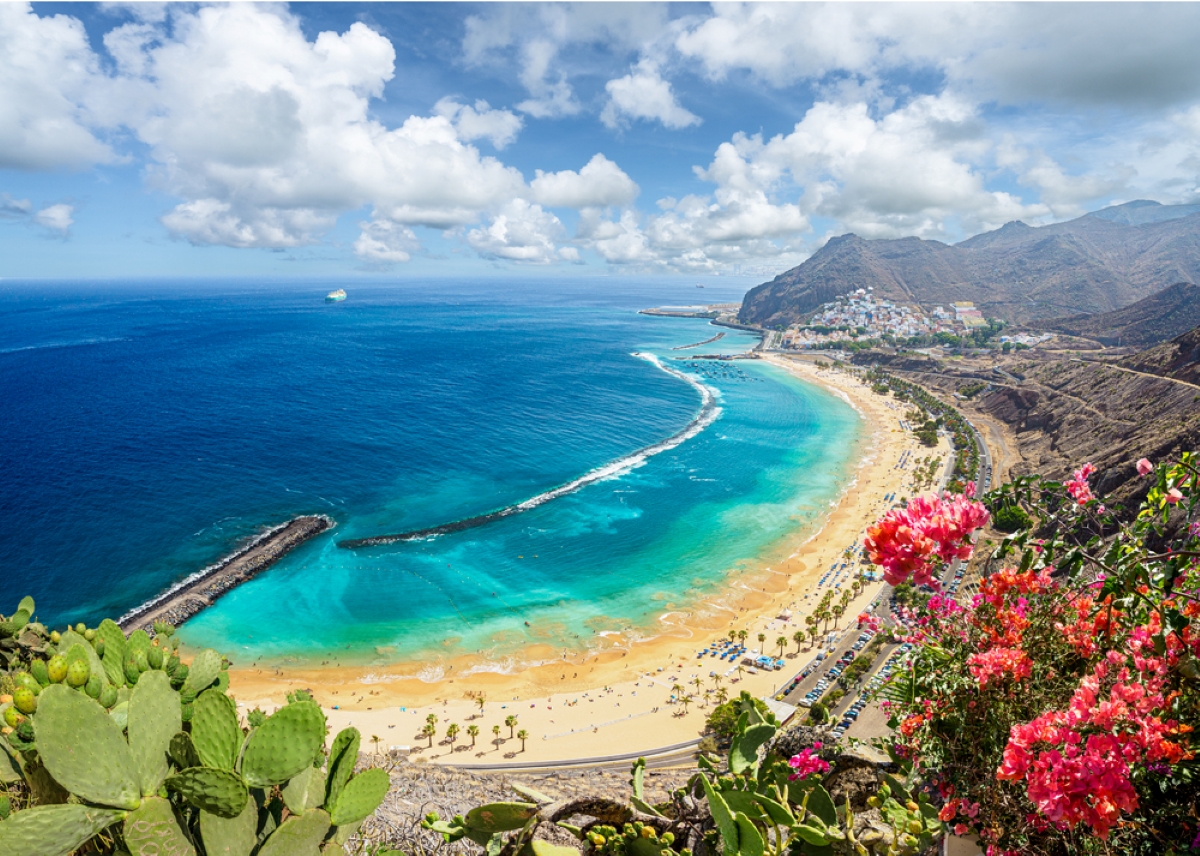
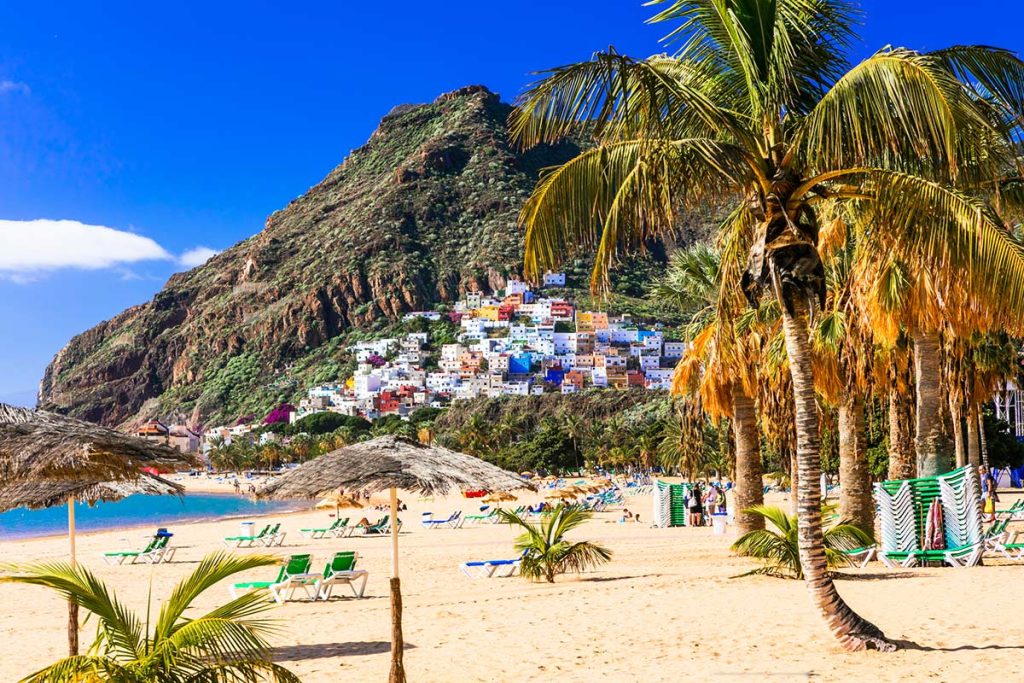
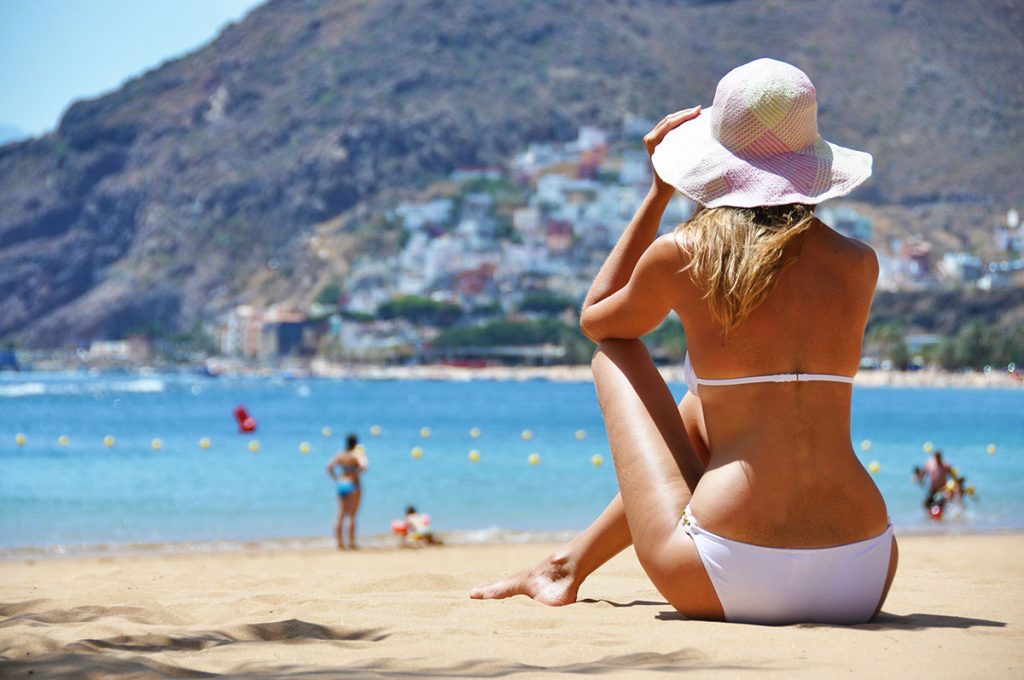
Playa de Las Teresitas, near Santa Cruz, is often hailed as the best beach in Tenerife, known for its golden sand imported from the Sahara and calm, turquoise waters protected by a breakwater.

What foods should I try in Tenerife?

You should try papas arrugadas with mojo sauce, a traditional Canarian dish, and fresh seafood. Don’t miss sampling the local wines and cheeses reflecting the island’s rich culinary heritage.

In Closing

As you’ve seen, amazing Tenerife attractions tailored to every type of explorer await you on your trip to the largest Canary Islands. From the autonomy of cruising in a rental car to mingling with locals on the guagua, each mode of transport presents its own adventure and perspective of the island.

And let’s not forget the added luxury of Uber services in the south, ensuring that your journey remains as smooth as the island’s famous Malvasia wine, even in the most bustling tourist areas.

Only one question remains… What are you waiting for?

November 24, 2025 Uncategorized

The Ultimate Guide To Renting a Car in Tenerife

A female in the passenger seat of a car smiling.

Ah, Tenerife! A land where the sun never stops shining, and the beaches endlessly beckon. But here’s the million-dollar question: How do you explore this volcanic beauty freely, without being tied down by bus schedules or missing out on hidden treasures? The answer is crystal clear: rent a car. But we’re not talking about any rental car; you need one that screams ‘adventure’ at every turn.

Imagine this: You’ve landed, and the island’s breeze is calling your name. But car rental can be a jungle, right? Fear not, I’m here to navigate you through the chaos to find the best option. Remember, in Tenerife, it’s all about the journey as much as the destination.

Choosing the right car is crucial; it’s like picking a travel buddy who’s as adventurous as you are. Want a sleek convertible for beach hopping or a sturdy SUV for mountain trails? There’s something for everyone, from cheapest car rentals to luxury cars.

The next question: do it online or through one of the companies on the island? Ready to get all the insider tips to find the best rental car option for you and help you plan ahead of your trip?

Table of Contents

  • Step 1: Pre-Rental Considerations
    • Requirements for Renting a Car in Tenerife
    • Understanding Car Rental Insurance in Tenerife
    • Importance of Choosing the Right Insurance:
    • Finding the Best Deals
    • Tips for Finding Cheap Car Hire Companies:
    • Best Time to Book
    • Comparing Online vs. Local Agencies:
    • Spotting and Avoiding Scams
    • Safeguarding Your Experience
  • Step 2: Booking Your Car in Tenerife
    • Where to Rent a Vehicle in Tenerife
      • Choosing Your Car Rental Agency in Tenerife
      • Overview of the Best Car Rental Firms in Tenerife
      • What to Consider When Choosing a Rental 
      • Making Your Reservation
      • Step 3: During the Rental Period
        • Picking Up Your Rental Car
        • What to Check Before Leaving the Rental Lot
        • On the Road in Tenerife
        • Driving Tips and Understanding Local Road Conditions
        • Overview of Compulsory Equipment
        • Toll Roads and Parking in Tenerife
        • Avoiding Additional Costs
        • Step 4: In Case of Emergency
          • Handling Accidents and Emergencies
          • What to Do if You Receive a Parking or Speeding Fine
          • Returning the Car: Procedures and What to Check
          • Understanding the Return Policy for Fuel
        • Conclusion
        • FAQs on Renting a Vehicle For Your Trip in Tenerife
          • What is the best company to get a rental car in Tenerife?
          • Is it worth hiring a car in Tenerife?
          • Do I need an international driver’s permit to rent a vehicle in Tenerife?

        Step 1: Pre-Rental Considerations

        A male hand dropping car keys into a female's hand.

        So, embarking on a road trip in Tenerife? Here’s your checklist to get started on the right foot:

        Requirements for Renting a Car in Tenerife

        • Must be at least 21 years old. Young drivers may face additional fees.
        • A valid driver’s license is required. An International Driver’s Permit (IDP) might be needed if your license is not in Spanish.
        • A credit card is typically required to rent a vehicle.
        • Most companies do not accept cash payments.

        Understanding Car Rental Insurance in Tenerife

        In the realm of car rental insurance, you’re likely to encounter several types, each serving a different purpose:

        • Collision Damage Waiver (CDW): Often mistaken for comprehensive insurance, CDW actually limits your financial liability in case of damage to the rental car. It typically does not cover theft, personal belongings, or damage to other vehicles. Limits your financial liability for damage to the rental car, but be aware of exclusions like tire or windshield damage.
        • Theft Protection (TP): Specifically covers the loss of the rental car if it’s stolen.
        • Third Party Liability Insurance (TPL): Mandatory in many countries, TPL covers you if you cause damage to other vehicles or injure someone while driving.
        • Super Collision Damage Waiver (SCDW) and Super Theft Protection (STP): These are enhanced versions of CDW and TP, offering lower deductibles and additional coverage areas.
        • Excess Reduction/Super Cover: Reduces the amount you’ll have to pay in case of a claim to a lower figure or even zero.
        • Personal Accident Insurance (PAI): Covers medical costs for the driver and passengers in case of accidents during the rental period.

        Importance of Choosing the Right Insurance:

        A couple standing next to a black car being handed the car keys.

        While renting a car in Tenerife is easy, picking the perfect insurance isn’t just a case of dotting the I’s and crossing the T’s; it’s about armoring yourself suitably without shelling out for those sneaky add-ons that you don’t really need.

        Take SCDW, for example – that’s your golden ticket to chill vibes if you’re venturing into the wild, untamed landscapes. But here’s a cheeky little secret: if your credit card is already playing the knight in shining armor with rental car insurance, you might dodge the bullet on doubling down on the cover.

        It’s all about striking that sweet balance, ensuring you’re covered for the road less traveled without being taken for a ride on the insurance express!

        Finding the Best Deals

        Scoring a sweet deal on a car rental in Tenerife is like finding a hidden beach cove — a little effort goes a long way. Here’s how to ensure you’re getting the most bang for your buck, allowing you to splurge elsewhere (like on those tempting tapas).

        Tips for Finding Cheap Car Hire Companies:

        Grey keys with a car and search icon on.

        Securing a wallet-friendly deal on a car rental doesn’t have to be akin to finding a needle in a haystack. Keep these tips in mind:

        • Compare Prices: Just as you’d shop around for the best paella, do the same with car rental rates. Use comparison websites to see a range of rental prices from different companies.
        • Avoid Airport Pickups: Picking up your car at the airport is convenient, but it often comes with a premium. Consider picking up your ride from a downtown location to save some euros. 
        • Look for Discounts and Coupons: Keep your eyes peeled for promotional codes, member discounts (think AAA or AARP), or even deals offered through credit cards.
        • Opt for Economy Cars: They may not be the flashiest, but economy class (not necessarily the cheapest) cars often offer the best value. Plus, their fuel efficiency is a boon for both your wallet and the environment.

        Best Time to Book

        When it comes to booking your rental car, timing can be everything:

        • Early Bird Gets the Worm: Aim to book your car at least 2-3 months in advance. Rates tend to be lower, and you’ll have a better selection of vehicles.
        • Watch for Price Drops: Some booking sites offer price tracking and will alert you to drops. Lock in a good rate when you can, but keep an eye out in case it gets better.

        Comparing Online vs. Local Agencies:

        2 men standing at an airport rent-a-car counter.

        Choosing where to book your rental car can be as crucial as the booking itself:

        • Online Platforms: Websites like Kayak, Expedia, or local favorites can offer a broad comparison of prices across different rental companies. They provide a convenient one-stop-shop to view deals, extras, and insurance options. Insider tip: ensure that the price you pay online is the full price, otherwise you may encounter with an unpleasant surprise of additional (sometimes significant) payment required when you land.
        • Local Agencies: Don’t overlook local companies that offer rental cars to get around this Canary island. While they may not have the marketing clout of the big names, they often offer best prices and personalized service. Plus, supporting local businesses is always a good move. 
        • Direct Booking Discounts: Sometimes, booking directly through the company’s website can unlock special offers or discounts not available elsewhere, so that could be a great option, even if it takes a bit of your time.

        Spotting and Avoiding Scams

        A black sign with orange coloured text saying 'Car rental'.

        My journey across Tenerife, from the golden sands of El Médano to the mysterious pyramids of Güímar, was smooth. However, I’ve heard tales and learned lessons along the way about the potential pitfalls in the car rental process:

        • Low-Ball Pricing: An offer that seems too good to be true probably is. I came across an unbelievably cheap rental deal for a convertible, perfect for cruising the coast from Costa Adeje to Los Gigantes. A deeper dive revealed it was a bait-and-switch tactic, where the real cost was hidden in mandatory “extras” not mentioned upfront.
        • Fuel Scams: Some agencies have a “full-empty” policy, charging you upfront for a full tank at inflated prices and telling you to return your vehicle with the tank empty. This seemed convenient until I realized I’d be paying double the going rate for fuel and likely not using the entire tank. Opting for a “full-to-full” policy saved me from this pitfall.
        • Excessive Damage Charges: On a forum, I read about someone charged for pre-existing damage on their rental in Puerto de la Cruz. This underscored the importance of a thorough inspection and taking photos before leaving the lot. Always ensure any damage is documented in the rental agreement to avoid paying for someone else’s mishaps.
        • Insurance Upselling: The most common tale I encountered was the aggressive upselling of additional insurance. One traveler recounted their experience of being convinced they needed extra insurance, despite their credit card already offering ample coverage. This added hundreds to their bill unnecessarily.

        Safeguarding Your Experience

        • Research is Key: Before my trip, I spent evenings scrolling through reviews and ratings of Tenerife car rental agencies, steering clear of those whose reputations were marred by consistent reports of scams or poor service.
        • Understand Your Agreement: I became intimately familiar with my rental contract, a document as important as a map in this terrain. Knowing exactly what I was liable for, and what was included, turned out to be my shield against unexpected charges.
        • Question the “Mandatory” Extras: When I picked up my car, the agent started listing extras I “needed.” Armed with knowledge, I could differentiate between what was genuinely necessary and what was merely a sales tactic.

        Step 2: Booking Your Car in Tenerife

        A white car on a mountain road with views of mountains and seas.

        Now that you’re savvy on snagging a deal, let’s steer into where in Tenerife you should snag your ride. The island might be a small dot in the Atlantic, but when it comes to car rentals, location matters as much as it does in real estate. Here’s the lowdown on your options: Tenerife South Airport, Tenerife North Airport, and beyond the airport tarmac.

        Where to Rent a Vehicle in Tenerife

        A man opening the boot of a black car.

        Tenerife unfolds like a tale of two airports: the bustling Tenerife South (Reina Sofia) and the quieter, more northern star, Tenerife North (Los Rodeos). Then there’s the off-airport scene, where local gems await the intrepid explorer.

        Each has its stage and script, complete with a cast of rental services, from global headliners like Avis and Sixt to local stars such as Goldcar and Europcar.

        • Tenerife South Airport (TFS):
          • Pros: As the gateway to sun-soaked resorts and endless azure, it’s brimming with options from both international and local rental agencies. Convenience is king here; step off the plane and into your car.
          • Cons: With great demand comes… slightly higher prices. And, the potential for longer waits at rental counters, especially during peak season. It’s the price you pay for stepping straight from your flight into holiday mode.
        • Tenerife North Airport (TFN):
          • Pros: Offering a more laid-back pickup experience, this hub is ideal for those venturing into the lush northern landscapes or heading straight to the urban charm of Santa Cruz.
          • Cons: The selection may not be as vast as its southern sibling, and if you’re craving beach vibes straight away, you’ll have a bit of a drive ahead of you.
        • Outside the Airport:
          • Pros: Stepping off the well-trodden path can lead you to better deals and a more personalized service. Exploring options in towns like Costa Adeje, Puerto de la Cruz, or even the capital of Tenerife, could save you a pretty penny.
          • Cons: You’ll need to navigate public transport or a taxi to get there, which might add a little adventure (or hassle, depending on your view) to your arrival.

        Pros and Cons of Each Location

        Choosing where to get your rental car in Tenerife isn’t just about pinning a location on a map; it’s about plotting your adventure. Opting for an airport rental means diving straight into your journey with the ease of a cannonball into a pool.

        On the flip side, embracing the search beyond the airport can unearth hidden treasures, offering a glimpse into local life and potentially thriftier deals.

        Choosing Your Car Rental Agency in Tenerife

        An Avis car rental counter with a man behind the desk on a phone call.

        Navigating the seas of car rental agencies in Tenerife is a voyage in itself. With a fleet of companies docked and ready to hand you the keys to your temporary chariot, how do you pick the one that’ll make your road trip legendary?

        Overview of the Best Car Rental Firms in Tenerife

        An Hertz car rental counter with a man behind the desk looking at a computer.

        From international juggernauts like Avis and Sixt to local champions such as Goldcar and Europcar, the island is your oyster, bursting with options. Each agency brings its own flavor to the table.

        Avis and Sixt dazzle with their sleek fleets and global presence, promising a ride in style. Meanwhile, Goldcar and Europcar hit the sweet spot with competitive pricing and a taste of local charm.

        But don’t overlook the underdogs; smaller companies like Cicar offer not just wheels but a genuine slice of Canary hospitality.

        What to Consider When Choosing a Rental 

        A red and a silver car parked in a parking garage.

        Your choice of a rental service should be as tailored to you as your tapas order. Consider these morsels of advice:

        • Reputation: A good name travels far. Look for companies praised for their service and reliability. Reviews are your best friend here.
        • Fleet Variety: Whether you’re after a nimble compact to zip around the narrow streets of La Laguna or a sturdy SUV for those off-the-beaten-path adventures, variety matters.
        • Price: Cheap doesn’t always mean cheerful. Weigh the cost against what’s included (and what’s not) to avoid any post-holiday bill shock.
        • Location: Convenience is key. Whether you’re landing in the north or the south, choose a company that makes pickup and drop-off a breeze.

        Making Your Reservation

        With your chosen steed in mind, it’s time to make it official. Booking your car is the moment your Tenerife adventure starts to take shape.

        How to Book Your Car in Advance

        In the age of the internet, booking your car is as easy as streaming your favorite beach playlist. Online platforms offer the broadest selection and the ability to compare deals side by side.

        Most companies also allow you to book directly through their websites, often with exclusive online discounts. Remember, the early bird catches the worm—or in this case, the best deals.

        What Type of Car to Choose Based on Your Needs

        A black car on a gravel road with views of mountains behind.

        Tenerife’s landscapes are as varied as its culinary delights, so choosing the right car is crucial:

        • Compact Cars: Ideal for solo travelers or couples with light luggage. Perfect for navigating bustling city streets or parking in tight spots.
        • SUVs: For families, groups, or those venturing into the island’s rugged heart, an SUV offers space and comfort.
        • Convertibles: If soaking up the sun while cruising along the coast sounds like your kind of holiday, splurge on a convertible.

        Booking Extras

        Customize your ride with extras to elevate your road trip experience:

        • GPS: Essential for finding those hidden gems without eating into your data plan.
        • Child Seats: Safety first! If you’re traveling with little ones, this is a non-negotiable.
        • Additional Driver: Share the driving duties and the joy of discovery.

        Step 3: During the Rental Period

        View from the back seat of a car looking forward at the driver and road in front.

        The moment has arrived: it’s time to pick up your rental car and set the wheels of adventure in motion across the island’s mesmerizing landscapes. But before you hit the road, there are some crucial steps and checks to ensure your journey is smooth sailing.

        Picking Up Your Rental Car

        The pickup process is your first real-life interaction with your rental car, and it sets the tone for your entire driving experience in Tenerife. Here’s how to navigate it:

        • Have Your Documents Ready: Ensure you have your driver’s license, booking confirmation, and if necessary, an International Driver’s Permit (IDP) handy. Remember, the name on the booking should match the driver’s license.
        • Arrive on Time: Timing is key. Arriving as scheduled can help avoid any delays or complications, especially during peak periods when queues can snake longer than the road to Teide on a sunny day.

        What to Check Before Leaving the Rental Lot

        A man filling a black car with petrol at a petrol station.

        Before you drive off into the Tenerife sunset, a thorough check of your rental car is essential. It’s like choosing the perfect avocado; scrutiny is necessary:

        • Exterior Inspection: Walk around the car and note any scratches, dents, or damage. Ensure these are documented by the rental agency to avoid any disputes later.
        • Interior Check: Open the door and take a whiff — ensure the interior is clean and there are no lingering odors. Check the seats, dashboard, and controls to make sure everything is in working order.
        • Test the Gadgets: Lights, indicators, wipers, and the sound system are not just conveniences but necessities. A quick check can save you headaches down the line.
        • Tyres and Fuel: Ensure the tires, including the spare, are in good condition and properly inflated. Check the fuel level matches what’s stated in your contract.
        • Emergency Equipment: Make sure the car is equipped with safety gear, such as a warning triangle, vests, and a first-aid kit, especially if you plan to explore Tenerife’s more remote places or visit another island.

        On the Road in Tenerife

        A Blue car on a mountain road with views of mountains behind.
        Anaga Mountains and Forest, Tenerife, Canary Islands, Spain

        Ah, the open road in Tenerife, where every turn reveals a new vista, from the dramatic cliffs of Los Gigantes to the serene beauty of Masca valley. Having navigated these roads myself, I can share some insider tips to ensure your driving experience is as smooth as the local vino.

        Driving Tips and Understanding Local Road Conditions

        A black car on a mountain road with a mountain to the left.

        Tenerife’s roads are a testament to the island’s diverse landscapes. I’ve driven the winding roads to Teide National Park, where the lunar landscape offers not just awe-inspiring views but also a test of your driving mettle. Here’s what I’ve learned:

        • Stay Alert on Mountain Roads: Many of the island’s most scenic routes are narrow and winding, especially in the Anaga and Teno mountains. Patience and caution are your best friends here.
        • Respect the Locals: Canarians are known for their laid-back attitude, but that doesn’t always extend to their driving. Expect the unexpected, especially in bustling areas like Santa Cruz and Playa de las Américas.

        Overview of Compulsory Equipment

        Before you rev up that engine, make sure your rental is kitted out with all the legal requirements. My rental came equipped with all the essentials, and here’s what you should look for:

        • Reflective Vests: Mandatory to wear if you’re pulling over or dealing with an emergency on the road.
        • Warning Triangle: In case of a breakdown, this needs to be placed at a significant distance behind your vehicle to warn other drivers.
        • Spare Tire and Tools: A flat tire in the middle of an island adventure is no joke. Ensure you have the means to swap it out.

        Toll Roads and Parking in Tenerife

        A blue car on a long empty road.

        The good news? Tenerife is virtually free of toll roads, so you can explore to your heart’s content without worrying about extra charges creeping up. However, parking can be a bit of a treasure hunt, especially in popular spots like Los Cristianos or Puerto de la Cruz. My advice:

        • Use Designated Parking Areas: It’s tempting to snag that spot right by the beach, but sticking to marked parking zones saves you from fines.
        • Embrace Public Parking: Many towns have “blue zone” parking areas. Pay attention to the signs and don’t forget to display your ticket.

        Avoiding Additional Costs

        No one likes surprise charges popping up post-adventure. Here’s how I navigated the potential financial pitfalls:

        How to Avoid Surcharges and Unexpected Fees

        • Read Your Rental Agreement: Sounds obvious, but knowing what’s included and what’s extra can save you a bundle. I avoided a late return fee by knowing my rental firm’s policy inside out.
        • Inspect the Car Thoroughly: Documenting every ding and scratch before you head out can protect you from unjust damage charges.

        Fuel Policy Considerations

        • Understand the Policy: Most companies offer a full-to-full policy — pick up the car with a full tank and return it the same way. I found this to be the most cost-effective and straightforward approach.
        • Refill Near the Airport: On returning the car, I filled up at a station a few kilometers from the airport to avoid the higher prices of closer fuel stations.

        Driving in Tenerife is an experience I’d repeat in a heartbeat. With a bit of preparation and awareness, you can navigate the roads and rental policies like a pro, leaving you free to immerse yourself in the breathtaking beauty and vibrant culture of this island paradise.

        Step 4: In Case of Emergency

        A couple standing next to a blue convertible car in the dessert.

        Even on an island as enchanting as Tenerife, with its sun-drenched beaches and whispering palm trees, mishaps can unfold. During my travels, I’ve had my share of “oops” moments, from a pesky parking ticket in Santa Cruz to a minor scrape at any of the picturesque locations throughout Tenerife.

        Here’s how I navigated these situations, armed with knowledge and a dash of local savvy.

        Handling Accidents and Emergencies

        The roads of Tenerife, while mostly a driver’s delight, can sometimes be tricky, especially on the serpentine routes of Anaga or the busy avenues of Costa Adeje. Here’s what to do if you find yourself in a fender bender:

        • Safety First: If you’re involved in an accident, pull over safely. Wear your reflective vest (a must-have in your rental) before stepping out.
        • Document Everything: Snap photos of the scene, the damage, and any relevant road signs. These pictures are worth more than a thousand words when dealing with rental companies and insurance claims.
        • Contact the Authorities: For more serious incidents, it’s crucial to get the local police involved. A police report can be invaluable for insurance purposes.
        • Call Your Rental Company: Inform them as soon as possible. They’ll guide you through their specific process, which I found to be a smooth experience with my rental from a reputable company in Tenerife South Airport.

        What to Do if You Receive a Parking or Speeding Fine

        Navigating the streets of bustling locales like Puerto de la Cruz or the wide avenues of Santa Cruz, I quickly learned that local traffic laws are not mere suggestions:

        • Parking Fines: If you find a ticket on your windshield, don’t ignore it. Most rental companies will charge the fine to your credit card, along with a handling fee. Paying directly at a local police station can sometimes save the handling fee.
        • Speeding Tickets: These can take a while to show up but expect them to be forwarded by your rental firm along with additional fees for processing. My advice? Stick to the speed limits, especially through the numerous speed cameras dotting the motorway and in reduced speed zones near schools and residential areas.

        As your journey through Tenerife draws to a close, the process of returning your rental car stands as the final step before you bid farewell to this island of endless summer. Ensuring a smooth car return involves a few key procedures and an understanding of the rental company’s fuel policy. Here’s how to navigate this final leg seamlessly.

        Returning the Car: Procedures and What to Check

        An orange sign hanging from the front mirror of a car.

        The return process is just as important as the initial pickup. Follow these steps to avoid any last-minute hiccups:

        • Conduct a Thorough Inspection: Before heading to the return location, inspect the car for any new damage that occurred during the rental period. It’s essential to be aware of any changes since you took the wheel, as this could affect your final charges.
        • Remove Personal Items: Check all compartments, the trunk, and under the seats for personal belongings. It’s easy to overlook items like phone chargers or sunglasses in the rush to catch a flight.
        • Adhere to the Fuel Policy: Refill the tank according to the policy you agreed upon when you picked up the car. This usually means returning the car with a full tank if you opted for a full-to-full policy, which is the most straightforward and often the most cost-effective option.
        • Plan for an On-time Drop-off: Return the car on time to avoid any late return fees. Allow extra time for traffic and navigating back to the return location, especially if it’s in a busy area like Tenerife South Airport or Tenerife North Airport.

        Understanding the Return Policy for Fuel

        The fuel policy is a critical part of your rental agreement that can impact your final cost. The two most common policies are:

        • Full-to-Full: You pick up the car with a full tank and are expected to return it full. This policy is generally the simplest and can help avoid additional refueling charges from the rental company.
        • Pre-Purchase (Full-to-Empty): You pay for a full tank of fuel at the beginning of your rental and return the car as empty as possible. While this can be convenient, it often means paying a higher rate for the fuel and potentially for fuel you don’t use.

        To ensure a smooth return process, double-check your rental agreement for the specified fuel policy, and plan accordingly as your trip in Tenerife comes to an end.

        Returning your rental car without any issues allows you to conclude your Tenerife adventure on a positive note, with memories of your travels ready to accompany you home.

        Conclusion

        2 people sitting in a car looking out the window and smiling.

        Wrapping this up, cruising around Tenerife in your own four-wheeled buddy isn’t just a plan, it’s an epic saga waiting to unfold. Sure, there’s a bit of homework involved – from squinting at rental contracts to picking the ride that’ll be your trusty steed, but mate, the payoff? Absolute freedom to hit up the island’s smorgasbord of scenery at the beat of your own drum.

        Whether you’re weaving through the lively streets, chasing the horizon on secluded beaches, or conquering the mountainous heartlands, Tenerife is your oyster. So arm yourself with knowledge, snag that dream car, and launch into the adventure. Trust me, the spellbinding views and secret spots of Tenerife are way cooler when you’re in the driver’s seat – here’s to your unforgettable journey in this slice of Canarian heaven!

        FAQs on Renting a Vehicle For Your Trip in Tenerife

        What is the best company to get a rental car in Tenerife?

        The best car rental company in Tenerife often depends on your specific needs, such as budget, vehicle preference, and service requirements. Popular choices include international brands like Avis and Europcar, as well as local firms like Cicar and AutoReisen, known for their competitive rates and good customer service.

        Is it worth hiring a car in Tenerife?

        Absolutely. Hiring a car in Tenerife offers the freedom to explore the island’s diverse landscapes, from the lunar-like terrain of Teide National Park to the hidden beaches along the coast. It’s especially valuable for accessing remote areas less served by public transport.

        Do I need an international driver’s permit to rent a vehicle in Tenerife?

        If your driver’s license is not in Spanish or does not use the Roman alphabet, you may need an International Driver’s Permit (IDP) alongside your national driving license to obtain a rental car in Tenerife.

        What is driving like in Tenerife?

        Driving in Tenerife can be a rewarding experience, with well-maintained roads and scenic routes. However, be prepared for narrow, winding roads in mountainous areas and varying driving habits among locals. Understanding local road signs and speed limits is crucial.

        How much does it cost to rent a vehicle in Tenerife on average?

        The average cost of getting a rental car in Tenerife varies widely based on the type of vehicle, rental period, and time of year. Prices can range from €15 to €50 per day. Booking in advance and comparing prices can help secure the best rates.

        What type of car insurance is recommended in Tenerife?

        A Collision Damage Waiver (CDW) and Third Party Liability (TPL) insurance are highly recommended for getting a rantal car in Tenerife. These coverages protect against damages to the rental car and third-party claims, respectively. Consider additional coverage like Super CDW for extra peace of mind.

        What is the minimum age to rent a car in Tenerife?

        The minimum age to rent a vehicle in Tenerife is typically 21 years, with a driving experience of at least one year. Drivers under 25 may be subject to a young driver surcharge.

        What documents do you need to rent a vehicle in Tenerife?

        You’ll need a valid driver’s license, an IDP if applicable, a credit card for the deposit, and sometimes proof of return travel and accommodation. Some companies may also require a second form of ID, like a passport.

        Can you get a rental car in Tenerife without a credit card?

        While most car rental companies in Tenerife require a credit card for the security deposit, some may accept debit cards or cash deposits under specific conditions. It’s best to check directly with the rental company for their payment policies.

        How much does fuel cost in Tenerife?

        Fuel prices in Tenerife are generally lower than the European average due to lower taxes. Prices fluctuate around €1.00 to €1.20 per liter for gasoline and slightly less for diesel.

        Do you need to book your car in advance?

        Yes, booking your car rental in advance is recommended, especially during peak tourist seasons. Early booking often secures better rates and ensures a wider selection of vehicles.

        Where can I rent a vehicle in Tenerife?

        Car rentals are available at Tenerife North (Los Rodeos) and Tenerife South (Reina Sofia) airports, as well as in major towns and tourist areas across the island, including Santa Cruz, Puerto de la Cruz, and Costa Adeje.

        What type of car should you choose?

        Your choice should be based on your travel needs. Compact cars are ideal for couples and short distances, while SUVs or family cars are better for groups and exploring off-road sites. Convertibles are perfect for enjoying Tenerife’s sunny climate.

        Do you need to book any extras?

        Consider your needs. Extras like GPS navigation, child seats, or an additional driver option can enhance your rental experience but will increase the cost. Evaluate what’s essential for your trip and book accordingly.

        October 23, 2025 Uncategorized

        17 Best Romantic Restaurants in Tenerife in 2025

        Ah, Tenerife! It is renowned for its golden beaches and eternal sunshine and as a haven for couples searching for the most romantic restaurants in Tenerife. This jewel in the crown of Spain’s Canary Islands isn’t just about sun, sea, and sand; it’s also a gastronomic wonderland that beckons with a myriad of dining options. So, with such a wealth of choices, how do you navigate the culinary scene for that perfect romantic meal?

        Having visited this enchanting island on many occasions and indeed have done my fair share of eating, I’ve curated a list that showcases Tenerife’s crème de la crème in dining based on several factors: the quality of the food, exceptional service, picturesque locations, and of course, customer testimonials.

        Most Romantic Restaurants in Tenerife

        Whether you’re celebrating an anniversary, enjoying a first date, or simply treating yourselves to a spontaneous dinner, this list has got you covered. So let’s dive in, shall we?

        1. ARDI (Best Romantic Restaurant in Tenerife Overall)

        In the scenic setting of the south of the island lies ARDI, a restaurant that isn’t just another dining establishment but rather an experience steeped in romance. Tucked away in a secluded corner of Costa Adeje, this elegant dining venue offers panoramic views of the Atlantic Ocean, rendering an almost magical aura that complements the mood of love.

        The vibe at ARDI is one of understated elegance. The décor blends classic and modern elements with muted tones, allowing the natural outside beauty to take centre stage.

        At the helm of ARDI’s culinary journey is Chef Ignacio Fernández. Classically trained yet ever-evolving, Chef Ignacio crafts a menu that fuses traditional Canary Island cuisine with contemporary flair.

        Based on glowing reviews and recommendations from Chef Ignacio himself, the tasting menu is a must-experience. It provides a gastronomic tour of the best ARDI has to offer. Signature dishes include:

        • Langoustine Carpaccio with Saffron Emulsion: A dish that’s as delicious as it is visually appealing.
        • Duck Confit with a Red Wine Reduction: A heartwarming entrée that couples perfectly with the restaurant’s selection of Canary Island wines.
        • Chocolate Fondue with Fresh Berries: A decadent end to a perfect meal, designed to be shared.

        ARDI Information

        Address: Avenida Antonio Dominguez 6, El Camison 34, Los Cristianos. Click here for directions
        Phone: +34 628 13 87 31
        Operating Hours: 7pm-9pm, Mon-Sun
        Average Cost: €9-13 per starter, €15-20 per main course
        Website: ARDI

        2. El Taller Seve Diaz (Best in Puerto de la Cruz)

        Photo credit: El Taller Seve Diaz

        In the heart of Puerto de la Cruz, El Taller Seve Diaz stands as a testament to the transformative power of cuisine. Esteemed not only as a pinnacle of Canary Island gastronomy but also honored as one of Spain’s best restaurants according to the Traveller’s Choice Awards by TripAdvisor, this restaurant creates a symphony of flavours that make it an ideal spot for romance.

        The vibe is a sophisticated blend of modern and rustic. Wooden accents, soft lighting, and subtle decor create a relaxed yet elegant atmosphere. The attention to detail is evident, from the artisan tableware to the attentive service, making you feel valued and cared for.

        The genius behind the restaurant is the acclaimed Chef Seve Diaz. With a passion for integrating traditional Canary Island ingredients into modern and inventive dishes, Chef Diaz crafts nothing short of poetic menus.

        Critics and diners rave about the tasting menu, a journey through Canary Island flavours with a modern twist. Recommendations from Chef Diaz include:

        • Sea Bass Tartare with Mango and Avocado: A perfect balance of textures and flavours that sets the tone for the meal.
        • Braised Beef Cheek with Wine Reduction: An indulgent dish that’s an absolute must-try.
        • Passionfruit Panna Cotta: A delightful dessert that leaves an indelible impression.

        El Taller Seve Díaz Information

        Address: Calle San Filipe, 32, Puerto de la Cruz. Click here for directions
        Phone: +34 822 25 75 38
        Operating Hours: 7:00 PM to 11:00 PM Wed to Fri, 1:00 to 3:00 PM and 7:00 PM to 11:00 PM Sat and Sun
        Average Cost: €54 -Surprise Menu, €84 – Long Menu
        Website: El Taller Seve Díaz

        3. Donaire

        Photo credit: Donaire

        Donaire is a Michelin-starred restaurant comfortably located in the heart of the south of Tenerife, at the GF Victoria Hotel, and stands out as a sanctuary of culinary delight and romantic allure. Often cited as one of the region’s top dining establishments, this hidden gem offers more than just exceptional food — an experience that speaks to the heart. The restaurant is the brainchild of chef Juan Carlos Padrón, who has won numerous awards for his innovative and creative cuisine.

        The menu at Donaire changes seasonally but always features the freshest, locally-sourced ingredients. The dishes are beautifully presented and full of flavor. Some of the highly recommended ones are:

        • Grilled Octopus with Paprika and Olive Oil: A tender and flavourful masterpiece.
        • Slow-Cooked Lamb Shoulder with Root Vegetables: A hearty dish that comforts the soul.
        • Chocolate Soufflé with Vanilla Ice Cream: The perfect ending to an excellent meal.

        Donaire Information

        Address: GF Victoria Hotel, 4ª Planta Calle Fernando López Arvelo, 1, Costa Adeje. Click here for directions
        Phone: +34 922 987 177
        Operating Hours: 7am-9pm, Mon-Fri (example)
        Average Cost: €22-28 per starter, €28-32 per main course, €12 for desserts
        Website: Donaire

        4. Etéreo by Pedro Nel

        Photo credit: Etéreo by Pedro Nel

        Set in the heart of Santa Cruz de Tenerife, the island’s bustling capital, Etereo by Pedro Nel offers a sophisticated and romantic dining experience that stands out in a city known for its culinary diversity.

        Etereo is an oasis of tranquillity amidst the capital’s energetic vibe in a charming corner of Santa Cruz de Tenerife. Its location offers the perfect blend of urban sophistication and secluded intimacy, making it a sought-after spot for couples seeking a memorable dining experience.

        Helmed by the esteemed Chef Pedro Nel, the restaurant showcases an innovative approach to modern Canarian cuisine. While the entire menu is a celebration of flavor, certain dishes have earned rave reviews:

        1. Truffle Risotto: This culinary marvel is a recurring favourite among patrons, delivering a sublime blend of aroma and taste.
        2. Seared Tuna with Avocado and Mango Salsa: Chef-recommended, this dish is a testament to the kitchen’s expertise in melding diverse flavours and textures.
        3. Chocolate Fondant: A perfect end to a romantic evening, the chocolate fondant is, quite simply, divine.

        Etereo by Pedro Nel offers more than just a meal; it offers an experience where exceptional food, artful atmosphere, and heartfelt romance converge. Situated in the diverse and vibrant Santa Cruz de Tenerife, Etereo is a romantic haven that you’ll want to return to time and again.

        Etéreo Information

        Address: Calle San Antonio, 63, 38001 Santa Cruz de Tenerife. Click here for directions
        Phone: +34 922 19 41 95
        Operating Hours: 1:00 PM to 11:00 PM, Mon-Sat
        Average Cost: €14-22 per starter, €26-30 per main course
        Website: Etéreo by Pedro Nel

        5. First Love

        Photo credit: First Love

        Nestled amidst the vibrant streets of Playa de las Américas, First Love is the restaurant that lives up to its name—offering an unforgettable dining experience that sparks romance and captivates the palate.

        Overlooking the stunning coastline, First Love is ideally situated to offer diners not just a meal but a holistic experience. The restaurant effortlessly blends its sophisticated interior with the panoramic beauty of the sea, delivering an atmosphere that’s second to none.

        First Love goes the extra mile to offer customized experiences. Special requests for flowers, champagne, or even a bespoke menu can be arranged to elevate your romantic evening. Coupled with the mesmerising sea view, it’s the ideal setting for love to flourish.

        According to both the chef’s recommendations and clients reviews, the following dishes are must-try:

        • Lobster Ravioli: A luscious dish that combines the sweetness of lobster with a delicate pasta casing.
        • Filet Mignon: Perfectly cooked to your liking, this dish epitomises fine dining.
        • Chocolate Lava Cake: Made with a warm chocolate cake that is filled with a molten chocolate center. It is a decadent and delicious dessert that is perfect for sharing.

        First Love Information

        Address: Paseo Tarajal, 38650 Playa de la Américas, Santa Cruz de Tenerife. Click here for directions
        Phone: +34 635 89 22 30
        Operating Hours: 12:00 PM – 11:00 PM, Mon-Sun
        Average Cost: €8-12 per starter, €10-15 per main course
        Website: First Love

        6. La Tasca de Cristian

        Photo credit: La Tasca de Cristian

        Stepping into La Tasca de Cristian is like entering a charming Canarian home. The decor features rustic wood, artisanal ceramics, and an array of local art that creates a cozy and intimate atmosphere. Low-hanging lights cast a warm glow over the tables, making it a haven for couples looking for a quiet and romantic evening.

        Tucked away in the historical city of La Laguna, a UNESCO World Heritage site, La Tasca de Cristian is the epitome of romantic dining infused with Canarian charm. Its position amidst cobbled lanes and traditional architecture offers an idyllic setting for couples yearning for a romantic escapade.

        The menu at Tasca of Cristian reflects a deep love for traditional Canarian fare, masterfully updated with contemporary techniques. Here are some highly recommended dishes based on customer reviews and chef’s specialties:

        1. Grilled Octopus with Paprika: An absolute must-try, this dish encapsulates the essence of Canarian flavours, garnished with locally sourced herbs.
        2. Beef Tenderloin with Red Wine Reduction: Chef Cristian recommends this melt-in-the-mouth tenderloin as the perfect dish for a romantic meal.
        3. Tres Leches Cake: For those with a sweet tooth, this dessert is a heavenly blend of three kinds of milk, offering a perfect end to an exquisite meal.

        La Tasca de Cristian is not just a restaurant; it’s a romantic experience that perfectly complements the historic beauty of La Laguna. The combination of exceptional food, an inviting atmosphere, and the touch of Canarian culture makes it a venue where love is not just in the air but also on the plate.

        La Tasca de Cristian Information

        Address: Calle Marques de Celada, 17 38202 San Cristóbal de La Laguna Santa Cruz de Tenerife. Click here for directions
        Phone: +34 922 256 588
        Operating Hours: 1:00 PM- 4:00 PM, 08:00 PM – 11:00 PM, Tue-Sat
        Average Cost: €8-12 per starter, €12-16 per main course, €5 for desserts
        Website: La Tasca de Cristian

        7. El Ancla Médano

        Regarding romantic dining with an ocean view, El Ancla Médano in El Médano sets the bar high. This beachside restaurant combines stunning vistas, mouth-watering cuisine, and an intimate setting, making it the perfect spot for couples looking for a romantic escapade.

        Situated in the vibrant beach town of El Médano, El Ancla Médano offers panoramic views of the Atlantic Ocean. Its oceanfront location lets you enjoy the salt-laced breeze and the soothing sounds of the waves as you dine.

        With its nautical-themed decor, El Ancla Médano immerses you in a maritime fantasy. The interiors feature marine blues, whitewashed woods, and nautical ornaments, making the space feel like an upscale coastal retreat. The outdoor terrace allows for a more intimate connection with the sea, setting a romantic atmosphere as the sun sets over the horizon.

        The restaurant specializes in Mediterranean and Canarian cuisine, focusing on seafood sourced directly from local fishermen.

        Based on personal impressions, following dishes are sure to impress:

        1. Lobster Paella: A culinary spectacle perfect for two, this dish showcases the richness of local seafood.
        2. Grilled Seabass with Canarian Potatoes: A favourite among patrons, this dish pairs perfectly with a bottle of Spanish white wine.
        3. Tenerife Cheesecake: Made with local cheese and served with berry compote, this dessert is the perfect finale for a romantic meal.

        El Ancla Médano is an experience that infuses every moment with seaside romance. From the delectable dishes to the awe-inspiring views and the meticulously curated atmosphere, it offers an unforgettable romantic dining experience that’s quintessentially Tenerife.

        El Ancla Médano Information

        Address: Avenida de Europa 2, 38612 El Médano, Tenerife. Click here for directions
        Phone: +34 608 036 896
        Operating Hours: 1:30 PM – 4:30 PM, 7:00 PM – 10:30 PM, Wed-Sun
        Average Cost: €14-18 per starter, €18-24 per main, €7 for desserts
        Website: El Ancla Médano

        8. Romántico Restaurant

        Photo credit: Romántico

        When it comes to evoking romance in every bite, no restaurant does it quite like Romántico. It is located in a charming Spanish-style building in the heart of Los Cristianos, and the interior is warm and inviting. The intimate and candlelit dining room creates the perfect atmosphere for a romantic evening.

        Set amidst lush gardens, Romántico offers an idyllic setting that feels like a well-kept secret. Away from the hustle and bustle, it’s the perfect backdrop for a romantic dinner, where nature seems to celebrate your love.

        Masterfully orchestrating a menu that celebrates tradition and innovation, the chef at Romántico is a culinary virtuoso. Committed to using only the finest ingredients, they create dishes that are works of art — visually and gastronomically.

        Here are some of the highly recommended dishes:

        • Truffle Carpaccio: A tantalising appetizer that sets the tone for the meal.
        • Duck Confit: A main course that is as tender as the sentiments it evokes.
        • Red Berry Panna Cotta: A dessert that captures the sweetness of love.

        Romántico Information

        Address: Avenida de Rafael Puig Lluvina 16 Local 15, 38640, Arona. Click here for directions
        Phone: +34 603 23 69 62
        Operating Hours: 10:00AM-11:59PM, Mon-Sun
        Average Cost: €10-13 per starter, €18-24 per main
        Website: Romántico

        9. La Masía del Mar

        Photo credit: La Masía del Mar

        If ever there was a place where the sea’s mystique and the charm of fine dining meld seamlessly, it has to be Masía del Mar. With its oceanfront location and superb cuisine, this restaurant is a must-visit spot for couples craving a uniquely romantic experience.

        Situated right by the coastline, Masía del Mar offers unparalleled views of the Atlantic Ocean. The lapping of the waves against the shore provides a soothing acoustic backdrop that makes any dining experience feel deeply intimate.

        The décor at Masía del Mar incorporates nautical elements without veering into cliché. Think driftwood sculptures, ropes elegantly entwined around glass vases, and a palette of blues and whites that mirrors the ocean outside.

        Here are some of the most recommended dishes not to miss:

        • Seared Scallops with Saffron Risotto: A heavenly pairing that’s the epitome of luxury.
        • Seafood Paella: A signature dish capturing the essence of the sea in each bite.
        • Lemon Sorbet: A palate-cleansing finale that leaves you refreshed and in love.

        La Masía del Mar Information

        Address: Calle el Muelle 3, 38679 La Caleta, Adeje. Click here for directions
        Phone: +34 922 71 08 95
        Operating Hours: 11:00AM-11:00PM, Mon-Sun
        Average Cost: €8-15 per starter, € per main course €20-35
        Website: La Masía del Mar

        10. La Tasquita de Nino

        Photo credit: La Tasquita de Nino

        Another personal favourite. Picture a cozy, candlelit evening with your loved one, surrounded by rustic walls and aromatic wafts of delicious Spanish cuisine. Welcome to La Tasquita de Nino, the perfect backdrop that oozes comfort and charm for a romantic night out.

        Nestled in a quaint, quieter part of the town of San Miguel de Abona, La Tasquita de Nino offers a refreshing escape from bustling tourist spots. The setting provides the privacy perfect for whispering sweet nothings across the table.

        La Tasquita de Nino combines classic wooden interiors with soft, ambient lighting, creating a cocoon of warmth and intimacy. It’s a space where time seems to slow down, letting you savor each moment and every bite.

        From enthusiastic client testimonials, including my own, as well as the chef’s recommendations:

        • Tapas Platter: A journey through Spanish flavours, perfect for sharing.
        • Churros con Chocolate: A deliciously sweet way to end your meal and perhaps start a new chapter in your love story.
        • Paella Valenciana: Bursting with color and flavor, it’s a dish that mirrors the vibrancy of love itself.

        La Tasquita de Nino Information

        Address: C/ Estanco, 3 38620 San Miguel de Abona. Click here for directions.
        Phone: + 34 922 70 04 63
        Operating Hours: 10:00AM-11:00PM, Wed-Mon
        Average Cost: €10-15 per starter, €15-20 per main course
        Website: La Tasquita de Nino

        11. Otelo

        Photo credit: Otelo

        Imagine dining al fresco, high above the world, where the Barranco del Infierno’s dramatic cliffs act as your backdrop, and the sun dipping into the horizon is the show-stopper of your evening. You are at Otelo Restaurant — where love seems to hang in the air as palpably as the tantalising aromas from the kitchen.

        Literally perched on the edge of Barranco del Infierno in Adeje, Otelo offers diners a meal and a panoramic view that stretches as far as the eyes can see. The location itself sets the stage for a night of elevated romance, quite literally. Having eaten here probably dozens of times, I can only add that one always looks forward to coming back here and enjoying a meal in this fantastic ambiance.

        The restaurant’s rustic Canarian architecture, replete with wooden beams and stone walls, blends effortlessly with modern touches, making you feel like you’re in a timeless space. The soft glow of lanterns adds a golden hue to your evening, enriching the overall romantic experience.

        As far as its cuisine offer is concerned, the restaurant is particularly famous for its garlic chicken (pollo al ajillo), which is something to try. I know I do every time.

        • Pollo al Ajillo: A garlic chicken dish that will leave you craving more.
        • Canarian Potatoes with Mojo Sauce: A simple yet delicious dish embodying Canarian cuisine’s essence.
        • Cherne a la Plancha: Fresh local grouper, grilled to perfection.

        Otelo Information

        Address: Calle de los Molinos, 44, 38670 Adeje. Click here for directions
        Phone: +34 922 780 374
        Operating Hours: 11:00AM-11:00PM, Wed-Mon
        Average Cost: €6-8 per starter, €10-15 per main
        Website: Otelo

        12. Guachinche Romance

        Nestled in the heart of Tenerife’s verdant landscape, Guachinche Romance is not just a restaurant; it’s a love letter to Canarian culture, cuisine, and, as the name implies, romance.

        Tucked away in the quaint Canarian village of La Orotava, the restaurant offers a serene escape from the bustling tourist spots. Its remote location adds an element of intimacy and exclusivity, making each visit feel like a shared secret between you and your loved one.

        Imagine a cozy, candlelit room filled with handcrafted wooden furniture and adorned with traditional Canarian art. The atmosphere is one of understated elegance and every corner whispers of romance.

        • Ropa Vieja: A classic Canarian dish whose name translates as “old cloths,” brings a burst of flavors to the table.
        • Cherne a la Plancha: Grilled wreckfish, a local favorite, served with Canarian herbs.
        • Papas Arrugadas with Mojo: The quintessential Canarian dish, these “wrinkled” potatoes with traditional red and green sauces are perfect for sharing.

        Guachinche Romance Information

        Address: Carretera General Las Cañadas, Km 9.200, 38310 Barroso, La Orotava. Click here for directions
        Phone: +34 676 86 96 29
        Operating Hours: 1:00PM-5:00PM, 7:00PM-11:00PM, Wed-Sun
        Average Cost: €8-10 per starter, €12-16 per main course
        Website: Guachinche Romance

        13. La Quinta

        Photo credit: La Quinta

        Nestled in the scenic town of Puerto de Santiago, La Quinta offers more than just a meal; it provides an experience that engages all your senses. Surrounded by the awe-inspiring landscapes that Tenerife is famous for, the restaurant is an oasis of elegance and tranquillity, making it one of the island’s top spots for romantic dining.

        Situated away from the bustling tourist hubs, La Quinta allows couples to escape into a world of intimacy. The restaurant capitalises on its prime location, offering panoramic views of the sea and mountains, particularly at sunset, adding a touch of magic to the atmosphere.

        The restaurant exudes a sense of warm sophistication. Soft lighting, muted tones, and tasteful decor create a classy and comfortable setting. The service is attentive without intrusive, understanding the delicate balance required to maintain a romantic atmosphere.

        The menu at La Quinta is a journey through Mediterranean and local Canarian cuisines. Each dish is a testament to culinary artistry. Here are some must-try dishes:

        • Seafood Paella: A Spanish classic that incorporates a variety of oceanic flavours, bringing the island’s essence to your table.
        • Grilled Octopus: Perfectly cooked and seasoned, this dish is a favourite among seafood lovers.
        • Canarian Black Pork: Slow-cooked to perfection, this local delicacy celebrates Tenerife’s culinary heritage.
        • Chocolate Symphony: A dessert that’s as delightful to the palate as a feast for the eyes, featuring a blend of textures and cocoa intensities.
        • Canarian Cheese Platter: A selection of local cheeses perfectly pair with the restaurant’s extensive wine list.

        What sets La Quinta apart as a romantic destination is its commitment to creating a comprehensive sensory experience. From the magnificent views to the meticulously curated menu and the subtle grace of its interior design, every aspect of the restaurant is geared toward creating unforgettable moments.

        La Quinta Information

        Address: Av. Marítima, 31, CC Playa Arena Local 18, 38683 Puerto de Santiago. Click here for directions.
        Phone: +34 610 80 50 17
        Operating Hours: 1:00AM-3:30PM, 07:00PM-10:30PM, Thurs-Mon
        Average Cost: €8-12 per starter, €9-15 per main course
        Website: La Quinta

        14. Aqua

        Photo credit: Aqua

        Aqua restaurant is the epitome of romantic dining, combining stunning vistas, a relaxed yet refined atmosphere, and exquisite gastronomy. Located in the heart of Los Gigantes, at the Royal Sun Resort, the restaurant offers unrivalled views of the famous cliffs that give the area its name.

        With its waterfront location, Aqua allows couples to dine to the natural soundtrack of waves gently lapping at the shore, making it one of Tenerife’s most uniquely romantic spots.

        The restaurant elevates the dining experience by blending elements that evoke romance. Whether it’s a toast at sunset overlooking the magnificent cliffs or the well-thought-out menu that can be enjoyed in an intimate setting, Agua offers couples a truly memorable evening.

        Agua offers a culinary experience from Mediterranean traditions with a modern flair. Here are some suggestions of dishes that you must try:

        • Fresh Tuna Tartare: A beautifully presented dish that highlights the finest local seafood.
        • Lobster Risotto: A luxurious take on a classic, brimming with flavor and featuring tender lobster pieces.
        • Iberian Pork Cheeks: Slow-cooked to melt-in-your-mouth perfection, served with a rich sauce.
        • Passion Fruit Panna Cotta: A refreshing and tangy end to your meal, combining creamy and fruity notes.
        • Local Fish of the Day: Sourced from the surrounding waters, this option lets you enjoy the freshest catch, prepared to highlight its natural flavours.

        Aqua Information

        Address: Calle Geranios, 16, 38683, Los Gigantes. Click here for directions
        Phone: +34 608 802 638
        Operating Hours: 6:30PM-9:30PM, Mar-Sun
        Average Cost: €12-18 per starter, €15-23 per main, €9 for desserts
        Website: Aqua

        15. La Dársena

        Located conveniently in the heart of Candelaria, La Dársena overlooks the tranquil Atlantic waters, offering diners panoramic views that set the stage for a memorable evening. Its proximity to the historic Basilica of Candelaria adds charm and allure to its location. It is perfect for couples seeking a romantic dining experience with delectable cuisine and awe-inspiring ocean views.

        The restaurant radiates a warmth and intimacy that’s hard to find elsewhere. While the design leans towards a more traditional style, elegant touches like candlelit tables and tasteful artwork create a timeless and romantic atmosphere. Soft, ambient lighting further enhances the mood, ensuring a cozy experience indoors.

        The menu at La Dársena is a tribute to Spanish and Canary Island traditions, blended with modern culinary techniques. Based on personal preferences and chef’s suggestions, here are dishes you shouldn’t miss:

        • Gazpacho with a Twist: A refreshing cold soup elevated by seasonal fruits and locally-sourced vegetables.
        • Grilled Octopus: Expertly cooked and served on a bed of Canary potatoes, drizzled with olive oil and a sprinkle of paprika.
        • Seafood Paella: A Spanish classic that showcases the best of local seafood.
        • Almond Flan: A delightful end to your meal, offering a hint of Canary Island almonds.

        La Dársena Information

        Address: Calle Obispo Pérez Cáceres, nº30 (vía peatonal de acceso a la Basílica), Candelaria. Click here for directions
        Phone: +34 922 58 37 16
        Operating Hours: 12:00PM-11:00PM, Thurs-Mon
        Average Cost: €8-12 per starter, €14-28 per main course, €4 for desserts
        Website: La Dársena

        16. Mirador La Cruz de Hilda

        Photo credit: Mirador La Cruz de Hilda

        Hidden in the stunning mountainous village of Masca, Mirador de la Hilda overlooks the lush valleys and distant ocean, offering a mesmerizing backdrop that is nothing short of romantic. The restaurant provides the perfect pause for travelers exploring the famous Masca Gorge, and it’s worth the journey for the view alone.

        Mirador de la Hilda exudes an enchanting rustic charm. The decor is simple yet tastefully done, featuring wooden furnishings, local crafts, and flora that bring the natural surroundings indoors. The tranquil atmosphere is only elevated by the soft instrumental music playing in the background, adding a touch of sophistication to the rustic setting.

        The romantic allure of Mirador de la Hilda lies in its perfect synthesis of extraordinary cuisine, rustic charm, and breathtaking natural scenery. The panoramic views of the sunset over the distant ocean create an almost ethereal experience, lending a magical touch to the entire evening.

        While the restaurant is rooted in traditional Canarian cuisine, the menu is sprinkled with innovative touches that reflect modern gastronomy. Here is what you are recommended not to miss:

        • Garlic Mushroom Tapas: A sublime starter that perfectly combines the earthiness of local mushrooms with spicy garlic and herbs.
        • Goat Cheese Salad: Featuring local goat cheese and a medley of fresh vegetables, this dish is a perfect blend of textures and flavours.
        • Canary Island Date Cake: A delightful and unexpected dessert that pays homage to local ingredients.

        Mirador La Cruz de Hilda Information

        Address: Carretera General de Masca, 38489 Masca. Click here for directions
        Phone: +34 620 84 51 39
        Operating Hours: 10:00AM-6:00PM, Sun-Thurs
        Average Cost: €3-6 per starter, €6-9 per tapa
        Website: Mirador La Cruz de Hilda

        17. El Caletón

        Photo credit: El Caletón

        Tucked away in the quaint little town of Garachico on the island of Tenerife, El Caleton is a quintessential location for lovebirds looking for an intimate dining experience. The establishment is a veritable homage to romantic, coastal dining, offering a sensory feast and culinary adventure beyond your standard dinner date.

        Nestled amidst the natural volcanic rock pools Garachico is famous for, El Caletón offers breathtaking views of the Atlantic Ocean. The restaurant’s unique position makes it one of the most scenic dining spots in the Canary Islands and gives it an exotic charm that’s hard to match. The panoramic vistas, waves lapping against the shore, and the tranquil atmosphere make this location an unparalleled romantic setting.

        The restaurant’s décor reflects its surroundings with aplomb. A blend of traditional Canary Island architecture and modern design elements provides a harmonious setting that complements the natural beauty outside. Wood, stone, and intricate handcrafted details give the space a warm, inviting feel.

        In these breathtaking surroundings, you simply cannot miss these:

        1. Tuna Tartare: A sublime dish combining local tuna with avocado, an exquisite start to your meal.
        2. Sea Bass Fillet: Freshly caught and cooked to perfection, the sea bass is a revelation in flavours and textures.
        3. Lobster Risotto: Rich, creamy, and decadent, this dish is romance on a plate.
        4. Passionfruit Panna Cotta: Finish off your meal with this tantalising dessert that brings together both sweetness and tartness in perfect harmony.

        El Caletón Information

        Address: Av. Tomé Cano, 1, 38450 Garachico. Click here for directions
        Phone: +34 922 83 08 55
        Operating Hours: 12:00PM-9:00PM, Mon-Sun
        Average Cost: €10-15 per starter, €17-19 per main course, €6-7 for desserts
        Website: El Caletón

        By Way of Conclusion

        Tenerife’s culinary landscape is as diverse and beautiful as the island itself, providing couples with an array of dining experiences that are both romantic and unforgettable.

        From the captivating ocean views in Garachico to the cosmopolitan flair of Costa Adeje and the rustic charm of the island’s central region, each locale offers its unique brand of romance. Whether celebrating a special occasion or simply indulging in the joy of being together, these restaurants serve as idyllic backdrops for love to flourish.

        Ultimately, what makes dining on this island so special is the unmistakable blend of natural beauty, culinary excellence, and the thoughtful touches each establishment adds to make your experience truly romantic. Your taste buds are not the only senses that will be tantalised; your heart, too, will feel the love that’s been cooked into every detail.

        As you venture through Tenerife’s romantic culinary scene, you’re not just sharing a meal but crafting memories that will last a lifetime.

        So, the next time you find yourself wondering where to ignite or rekindle the flame of love, look no further than the enchanting Island of Eternal Spring. Tenerife awaits, its table set for two, ready to fill your plates and hearts with love.

        Do you agree with this list? Where do you think is the most romantic restaurant in Tenerife?

        September 16, 2025 Uncategorized

        Tenerife Weather in February

        I adore February in the Canary Islands, Spain, especially Tenerife! It’s like stepping into a dream with temperatures hovering around a comfortable 22°C to 23°C. Picture yourself soaking up those rays on the gorgeous southern beaches and enjoying the warmth during winter.

        What makes it even more remarkable is the tranquility that blankets the island, making it perfect for a leisure holiday in Tenerife’s diverse landscapes. The best part? You won’t encounter the crowds you’d typically find during the summer season.

        So, in the second month of the year, it’s time to pack your bags and embark on a magical adventure to Tenerife.

        Overview of the Weather

        Beautiful Tenerife weather at a beach.

        As most of Europe endures what is probably the coldest temperature of the year, February in Tenerife is characterized by its pleasant and sunny winter. This time of year, the island typically sees average daytime temperatures reach 22 °C, with the cooler evenings dropping to around 15°C. The surrounding sea maintains a comfortable water temperature of approximately 20°C, making it ideal for those looking to enjoy a swim.

        Rain during February is minimal, averaging only 20mm across about 5 days. When it does rain, it’s usually brief showers rather than prolonged downpours, ensuring most days stay bright and clear. Expect to enjoy around 7 hours of sunlight daily, accompanied by moderate humidity levels that contribute to the overall pleasant conditions.

        While occasional breezes might sweep through, particularly in the northern regions, they are generally mild and unlikely to disrupt your activities. The Anaga Mountains in the north tend to have slightly cooler and cloudier conditions. Still, the southern parts of Tenerife are blessed with more consistent sun shining, offering a perfect escape for those seeking warmer winter days.

        Why Visit Tenerife in Winter?

        Finding a place that offers weather, like Tenerife in February, can be challenging. Here are some of the advantages:

        • It is a pleasantly warm climate for enjoying the beaches and outdoor activities
        • Plentiful sun with light showers
        • Cooler experience in the north of the island
        • Warmest and hottest in the south, ideal for tan
        • The sea remains warm enough for swimming and watersports
        • Fewer crowds than in the hectic summer months
        • Carnival celebrations take place in February
        • More affordable rates on hotels and flights
        • The isle is lush and green after some winter rains

        Average Temperatures and Rainfall in February

        High °CLow °CRainfall mm
        221520

        Microclimates in Tenerife

        Tenerife’s weather is notably diverse due to its varying landscapes and elevations. The south of the island, where you’ll find popular resorts like Playa de Las Americas and Los Cristianos, is known for its dry and sunny conditions. February sees these areas receiving very few rainy days, making them a perfect destination for those looking to enjoy the outdoors.

        Conversely, in the north, particularly around the Anaga region, one typically has cooler and cloudier experiences. This area is often characterized by mist and low clouds shrouding its rugged mountains, with light rain showers being more frequent than in the south.

        Those venturing to higher elevations like Mount Teide should be prepared for considerably lower temperatures. The summit of this, Spain’s highest spot, is often covered with snow during winter, reflecting the stark temperature contrasts within the island.

        Coastal towns, like Puerto de la Cruz, enjoy sunny days and warmer temperatures due to their proximity to the sea. These areas provide a more temperate environment than the inland regions and are popular among visitors seeking milder weather conditions, with a minimum of days of rain.

        The Best Things to Do in February

        This month brings optimal atmospheric conditions for exploring this destination’s diverse landscapes and activities. Every day in Tenerife, there is something to do! Here are the top items:

        1. Relax on Playa de las Teresitas Beach

        Start your day at this beautiful golden sand beach near the island’s capital. Its calm waters are perfect for a leisurely swim or sunbathing session. Arrive early to claim your spot and indulge in fresh seafood at the beachfront eateries.

        For me, it’s truly one of the most delightful spots for sunbathing or simply basking in the sun while sipping on a refreshing drink or enjoying a snack from the recently upgraded local stands. Just be aware that it can get windy at this time of the year. 

        2. Hike in Teide National Park

        Trek through volcanic terrain with breathtaking views of the volcano, a UNESCO World Heritage site. Try the hike to Guajara Peak for stunning panoramas over the entire national park. Stop at the Visitor’s Center to get trail maps and information on trail access.
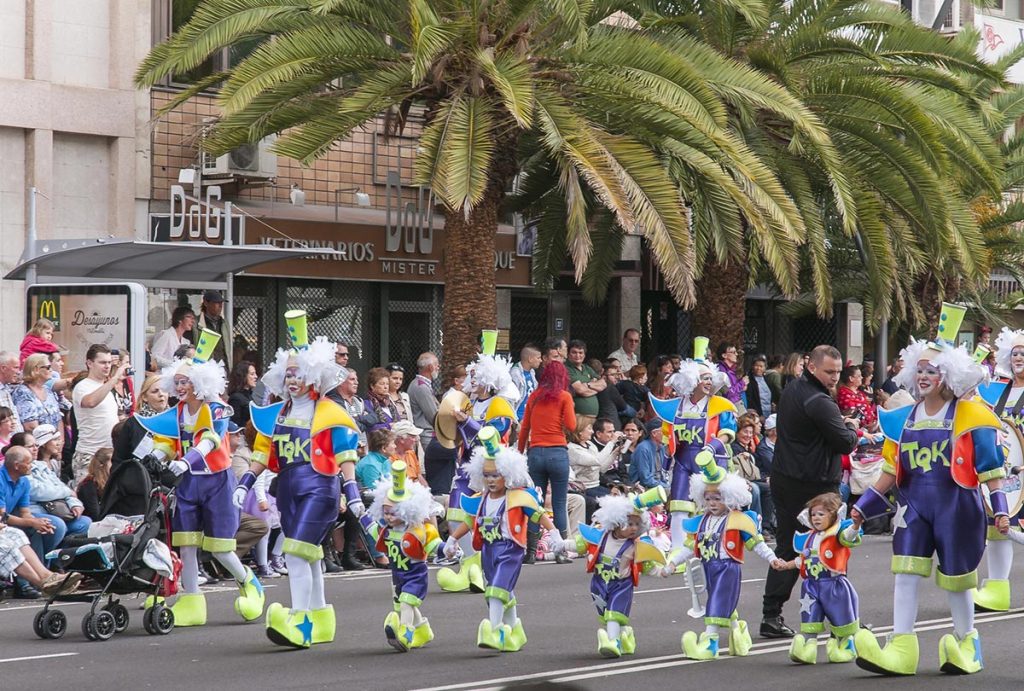
        3. See Masca Gorge

        Experience the dramatic beauty of Masca Gorge. Start from the quaint village of Masca and trek down to the ocean, surrounded by imposing cliffs and unique rock formations. Arrange a boat ride back to Los Gigantes for a different perspective of the stunning scenery.

        4. Dolphin and Whale Watching

        Winter highlights include whale and dolphin sightings off the west coast near Los Gigantes. Join a guided tour to witness these magnificent creatures in their natural habitat, often at discounted rates during this season. Bring your camera and binoculars to get the best views.

        5. Santa Cruz Carnival

        Don a flashy suit and join the world-famous carnival’s spectacular street parties and cavalcades in the capital. Try local food from the street vendors and soak up the electric atmosphere.

        This is an activity you shouldn’t miss, and if you’re concerned about not having the right attire for the occasion, don’t worry. So, I have easily bought a fun costume at a local shop, and there are plenty of them around, although I must admit that many people spend months preparing their costumes to showcase at this event.

        6. Stargaze from the Volcano

        Drive up the mountain at night for incredible starry sky views from Spain’s tallest summit. Dress very warmly and bring a flashlight. Stop at the visitor’s center first to check the weather and visibility.

        7. Visit Loro Parque

        The park can get incredibly crowded during the summer, so visiting in February is a smart choice. This fantastic zoo and animal park in Puerto de la Cruz is home to whales, orcas, penguins, and Europe’s most extensive collection of parrots.

        Allow a full day to see the shows and exhibits. Even if, like me, you’ve visited this park before, don’t hesitate to add it back to your itinerary. Practically every year, they introduce new and impressive attractions. 

        8. Sunbathe in Los Cristianos

        Soak up the sunshine on this family-friendly golden sand beach in Tenerife South, known for its calm waters. The temperatures are often around 25°C – 26°C, with barely any rainy days. Rent lounge chairs and an umbrella and relax for the day. Stay for sunset when the waves light up brilliantly.

        9. Stand Up Paddleboarding

        Paddle along the south coast from places like Los Gigantes for a fun outdoor activity on the water. Take a lesson if new to SUP. Expect some waves later in the day as winds pick up.

        10. Road Trip Around the Island

        Rent a car and drive to experience Tenerife’s diverse scenery, from mountain forests to sunny coastlines. Make stops in charming towns like La Orotava and Garachico.

        Top Events in February

        February brings lively parties and celebrations across Tenerife, the carnivals being the most famous of them. Don’t miss these annual events on the isle:

        The Santa Cruz Carnival

        This carnival is one of the largest in the world, drawing revelers from across the globe with its flamboyant costumes, electric cavalcades, concerts, dances, and street parties. Festivities last throughout this month, culminating on Ash Wednesday. Make sure to see the Grand Parade, Queen’s Gala event, burial of the sardine, and jump into the street celebrations.

        The Day of Candelaria

        The Day of Candelaria honors the patron saint of the Canary Islands, the Virgin of Candelaria, with processions, concerts, sporting events, and reenactments in the seaside town. On February 2nd, thousands join the pilgrimage from Santa Cruz to Candelaria.

        Laguna’s Carnival

        Laguna’s Carnival kicks off in January and runs through February with cavalcades, contests, theater, food stalls, and live music throughout the town’s historical streets. Nighttime is when the magic happens.

        The Tegueste Grape Harvest Fest

        The Tegueste Grape Harvest Fest celebrates the end of grape harvesting in February with cavalcades, floats, music, and a grape-treading competition. Sample freshly made wine and local cuisine in a lively atmosphere.

        Puerto de la Cruz’s Carnival

        Puerto de la Cruz celebrates Carnival with colorful processions and street parties culminating in the spectacular Night of the Great Coso Parade, where fantastically dressed-up troupes compete.

        Los Cristianos’ Carnival

        Los Cristianos hosts a huge Carnival cavalcade, during which partygoers dress to impress in elaborate attire and dance late into the night at the street party.

        The Santa Cruz Half Marathon

        This marathon takes runners along the capital’s coastal path and city streets, cheered on by crowds. Runners are treated to scenic views. 

        Garachico’s Medieval Reenactment

        Garachico hosts a medieval reenactment with costumes, sword fighting, artisan markets, and historical recreations that transport visitors back to the 16th century.

        The Tenerife Walking Festival

        The Tenerife Walking Festival invites hiking enthusiasts to join guided treks across the isle, from coastal walks to mountain routes, including ascents.

        What to Pack for February

        Pack light layers and clothes to handle both warm and cooler weather depending on where you are on the island:

        • Light coats and sweaters as evenings might get colder
        • T-shirts and shorts
        • Swimwear
        • Sun hat and sunglasses
        • Lightweight, long pants and long sleeve shirts
        • Sturdy shoes for hiking
        • Small umbrella for occasional rain showers
        • Sunscreen and after-sun lotion

        Tips for Visiting in February

        • Stay in the south for a guaranteed sunny holiday
        • Visit Teide National Park early before the clouds roll in
        • Bring a light jacket for activities at altitude
        • Swimming can be done in standard swimsuits, but wetsuits can help on cooler days.
        • Expect occasional winds or cloudy days in the north
        • Watch for deals on resort packages and flights

        FAQs

        Weather like in Tenerife in February can take a lot of work to come by in other travel destinations. With pleasant temperatures, low rainfall, and abundant sunshine, it’s a great month to explore this picturesque Canary Island. If you’re considering a trip, below are answers to some frequently asked questions about visiting in February.

        Is February a good time to visit Tenerife?

        Yes, February is an excellent time to visit Tenerife. The winter here is mild and sunny, with average highs around 22°C and minimal rain.

        What’s the weather like in February? 

        In February, Tenerife sees average high temperatures of 22°C and overnight lows around 15°C. The climate is comfortably warm and sunny.

        Can you swim in the ocean in February?

        Yes, the average sea temperature in Feb is 20°C, warm enough for swimming and watersports. Wetsuits can help on cooler days.

        Is February too cold to visit Tenerife?

        No, temperatures remain pleasant in February, ranging from 15-22°C. While evenings are cooler, days are comfortably warm in the sunshine.

        What is there to do in Tenerife in February?

        Top activities include relaxing on the beaches, hiking, exploring charming towns, whale watching, winter sunbathing, and joining in the big carnival.

        What should I pack for visiting Tenerife in February?

        Pack layers like light jackets and sweaters, t-shirts, swimwear, sun protection, and good shoes for hiking.

        Is February rainy in Tenerife?

        February is one of the driest months, with an average of around 20mm of rain over 5 days. Brief passing showers are possible, but skies are often clear.

        Which areas have the best February weather?

        The south of the island, around resort towns, sees the most consistent sunshine and warmth in February, while the north can be cooler.

        Are there festivals in Tenerife in February?

        Yes, February hosts the huge carnival, plus other lively events like the Day of Candelaria and Tegueste.

        Is it crowded in Tenerife in February?

        February is well outside the busy summer tourist season, so resorts and attractions are less busy than other months.

        September 15, 2025 Uncategorized

        Tenerife Weather in January – A Great Winter Escape!

        Having found the one-of-a-kind beauty of Tenerife during its winter, I can genuinely say that this is the best time to explore and enjoy the island’s unique charm. The temperature on the island is an average of 21°C (70°F), and it’s bathed with warm sunshine. 

        Spring-like, relaxed weather that complements the laid-back post-holiday atmosphere. During the first month of the year, the island becomes a paradise for tourists looking for tranquility and adventure – starting from vivid Carnival events in Santa Cruz, through stargazing in the calm atmosphere of the Teide National Park, up to relax. 

        I especially enjoyed one festive event that I discovered by chance. It’s called Fiesta de San Antonio Abad. While it’s celebrated in several locations on the island, one particularly interesting place is the neighbourhood of La Florida in La Orotava, where they prepare a huge feast for everyone. The main traditional dish, “puchero,” is definitely not to be missed!

        So, let’s explore this and discover why this particular month on the island is exceptional.

        What’s the Weather in Tenerife in January?

        From my experience, few things compare to enjoying your time in Tenerife during January. First, Tenerife enjoys a tropical climate with pleasant year-round warm and sunny weather. In January, you can expect sunny skies and daytime highs around 21°C on average.

        While Tenerife South stays consistently warm and dry, the winter weather in the northern parts of Tenerife can be more unsettled. Playa Jardín in the north of the island might reach 20°C, while just 10km inland, it could be a few degrees cooler. The temperature rarely drops below 14°C, including at night: pack layers, sunscreen, and a hat to be prepared for warm and cool conditions.

        The north also sees more rainfall, though showers are usually brief. Much precipitation falls over the breathtaking volcano Teide, leaving the coasts drier. Expect around 5 rainy days in Puerto de la Cruz compared to just 2 in Playa de las Americas or Los Cristianos. Calima, a hot wind from the Sahara, may blow dust and sand across the island in January. While it can obscure views, calima brings unusually high temperatures.

        Is January a Good Time to Visit Tenerife?

        Absolutely! January is one of the best months to visit Tenerife. With pleasant weather and fewer crowds than the busy winter holidays, it’s ideal for a relaxing island getaway. Resorts like Los Cristianos and Costa Adeje remain lively in the south. In the north, picturesque towns such as Puerto de la Cruz are perfect for strolls through lush gardens and along the coast.

        The warm weather makes January ideal for sunbathing, swimming, and water sports. With temperatures in the low 20s°C, the ocean is comfortable for taking a dip. Siam Park remains open for water slides and wave pools. For adventure, head inland to hike through stunning landscapes like Masca. The cable car up Mount Teide also operates all month.

        While the weather is pleasant across the island, those wanting more heat and sunshine should stay in the south. Playa de las Américas, Los Cristianos, and Tenerife South see highs in the low 20s°C and minimal rainfall in January. The north and Mount Teide may be several degrees cooler with more clouds.

        The Average Temperatures in Tenerife in January

        Below, you will find the average weather stats for Tenerife over the years. It’s pretty stable!

        High: 21°C (70°F) Low: 14°C (57°F)
        Rainfall: 37mm (northern coasts), 5mm (southern coasts)

        YearHighsLowsRain
        202369°F (20.5°C) 64°F (18°C) 1.60 inches (4.06 cm)
        202269°F (20.5°C)64°F (18°C) 2.49 inches (6.32 cm)
        202168°F (20°C)63°F (17°C)2.76 inches (7.01 cm)
        202068°F (20°C)63°F (17°C)0.08 inches (0.20 cm)
        201967°F (19.5°C)62°F (16.6°C)0.54 inches (1.38 cm)
        201866°F (18.8°C)63°F (17°C)1.87 inches (4.74 cm)
        201768°F (20°C)62°F (16.6°C)0.17 inches (0.42 cm)
        201670°F (21°C)64°F (18°C) 0.09 inches (0.24 cm)
        201566°F (18.8°C)57°F (14°C)0.47 inches (1.20 cm)
        201455°F (12.8°C)44°F (7°C)2.28 inches (5.79 cm)
        201379°F (26.1°C)56°F (13.3°C)0.15 inches (0.39 cm)
        201270°F (20.8°C)60°F (15.6°C)0.03 inches (0.08 cm)

        Microclimates

        Tenerife, the largest of Spain’s Canary Islands, has remarkable microclimates, making it an intriguing tourist destination. Thanks to more regular rain and cloud cover, expect a lush, verdant landscape in the north.

        This starkly contrasts the south, where sunny skies and arid weather prevail, providing the typical beach vacation experience. Coastal areas are often pleasantly warm with gentler temperatures and breezes, which makes them excellent for individuals looking for a relaxing beach retreat. 

        The mountainous parts of Tenerife, notably the beautiful Teide and its park, have a markedly distinct climate. Temperatures can be substantially lower, and the weather is more variable here, with snowfall occurring in higher altitudes during the winter months. 

        This varied weather tapestry not only shapes the island’s natural beauty but also provides unique opportunities, from sunbathing on golden beaches to hiking in alpine-like conditions.

        Advantages of Visiting in January

        • Smaller crowds after the holidays mean attractions and beaches are less packed than in the summer months
        • Prices for flights and hotels are lower than in the winter peak season
        • Carnival brings vibrant parades and parties to Santa Cruz in late January
        • Comfortable weather for sunbathing, swimming, and outdoor adventures
        • Whale-watching opportunities as migrating whales pass the Canaries

        Things To Do in Tenerife in January

        January brings lively festivals, continued sunny weather in Tenerife, and the start of whale-watching season. Here are some top activities and attractions during this month on this beautiful Canarian island:

        1. Soak up the sun on golden beaches

        With temperatures in the 20s°C, January is perfect for sunbathing and swimming at stunning beaches like Playa Jardín or Playa Las Vistas on the Atlantic Ocean. Pack your swimsuit and sunscreen!

        The south of Tenerife remains warmer than the north, with resorts like Playa de las Américas and Playa Las Vistas seeing highs in the low 20s°C.

        2. Hike through breathtaking landscapes

        Trek through rugged gorges like Masca and Teide while enjoying cool, comfortable temperatures. The weather at the start of the year is ideal for hiking and exploring the incredible natural landscapes of Tenerife. Don’t miss the views along the scenic Masca Road!

        3. Ride the cable car up Mount Teide

        Jump on the cable car for spectacular views from Mount Teide, Spain’s tallest peak, and Tenerife’s iconic volcano. Brave the chillier weather at altitude to stand on top of the Canaries!

        4. Spot magnificent migrating whales

        Take a boat or whale-watching tour to glimpse these fantastic creatures swimming past Tenerife and the Canary Islands. Many species migrate here in January on their journey south.

        5. Join the festivities at Carnival

        Experience parades, flamboyant costumes, lively music, and nonstop partying at Carnival in Santa Cruz, the island’s capital. One of Spain’s best Carnival celebrations happens here every January into February.

        6. Meander through picturesque villages

        Wander around charming towns like Masca in north Tenerife, known for scenic hiking trails with incredible views. The pretty plazas, coastlines, and green landscapes are perfect to explore.

        7. Make a splash at Siam Park

        Enjoy the thrilling water slides, wave pools, and rides at this popular aqua park near Costa Adeje in the south of Tenerife. With temperatures in the 20s°C, it’s perfect for a family day out.

        8. Marvel at the views on the Masca Road

        Drive the winding, mountainous Masca Road in north Tenerife for jaw-dropping scenery. One of the island’s most scenic drives, it offers gorgeous coastal vistas.

        9. Gaze at the stars from Teide National Park

        Go stargazing and moon-watching at Teide National Park, where the dry air and high altitude create prime conditions. The views of the night sky are phenomenal.

        10. Wander through lush gardens

        See unique subtropical plants and flowers at the Botanical Gardens near Puerto de la Cruz in northern Tenerife — the perfect place for nature lovers and photographers.

        11. Indulge in glorious fresh seafood

        Savor the ocean’s bounty by indulging in fresh seafood dishes and tapas at romantic restaurants. Be sure to try Tenerife’s famous papas arrugadas!

        12. Tee off on scenic courses

        Play a round of golf on one of Tenerife’s many courses blessed with ocean views—January’s ideal golfing weather averages in the 20s°C. Swing away on vacation!

        Carnival in Santa Cruz de Tenerife

        This year, Tenerife’s calendar brings an exciting twist: the famed Carnival of Santa Cruz de Tenerife, typically celebrated between February and March, will occur in January 2024.

        Don’t miss the chance to immerse yourself in one of Spain’s largest Carnival celebrations at the end of January. Imagine the streets of Santa Cruz bustling with costumed parades, pulsating street parties, competitions, and concerts.

        The festivities span two weeks, reaching their peak on the Burial of the Sardine. It’s an unparalleled opportunity to experience the island’s vibrant culture and spirit!

        Best Events in Tenerife in January

        As the New Year dawns, Tenerife bursts into a kaleidoscope of festivities and cultural events, making it a captivating destination for travelers. Often seen as a month of new beginnings, January is exceptional on this vibrant Canary Island.

        It’s a time when the island’s rich cultural tapestry comes alive with a series of unique and enchanting celebrations. From traditional religious fiestas to lively street markets, each event offers a glimpse into the heart and soul of Tenerife. 

        Whether you’re a culture enthusiast, a lover of nature, or simply seeking a distinctive winter getaway, the array of events in January ensures something for everyone. Here’s a list of the most significant events and festive celebrations on the island at this time, each with its charm and appeal, promising an unforgettable start to your year.

        Three Kings’ Day (Día de Los Reyes) – January 6

        Celebrated across Spain, including Tenerife and the Canary Islands, this day marks the arrival of the Three Wise Men. It’s especially magical for children who receive gifts on this day. Expect colorful parades, festive music, and a traditional atmosphere in towns and villages. 

        San Sebastián Festival – Mid-January

        Held in La Caleta, Adeje, this event honors Saint Sebastian. It features a unique ceremony where riders on horseback gallop into the sea, followed by a traditional fiesta with music and dancing.

        Fiesta de San Antonio Abad – Mid-January

        Photo credit: Town Hall of La Orotava

        Celebrated in towns like La Orotava (La Florida), Buenavista del Norte, Guía de Isora, and Arona, this festival honors St. Anthony, the patron saint of animals. It includes a procession of decorated carts and animals and a blessing of pets and livestock. The dates usually vary from 19 to 28 January.

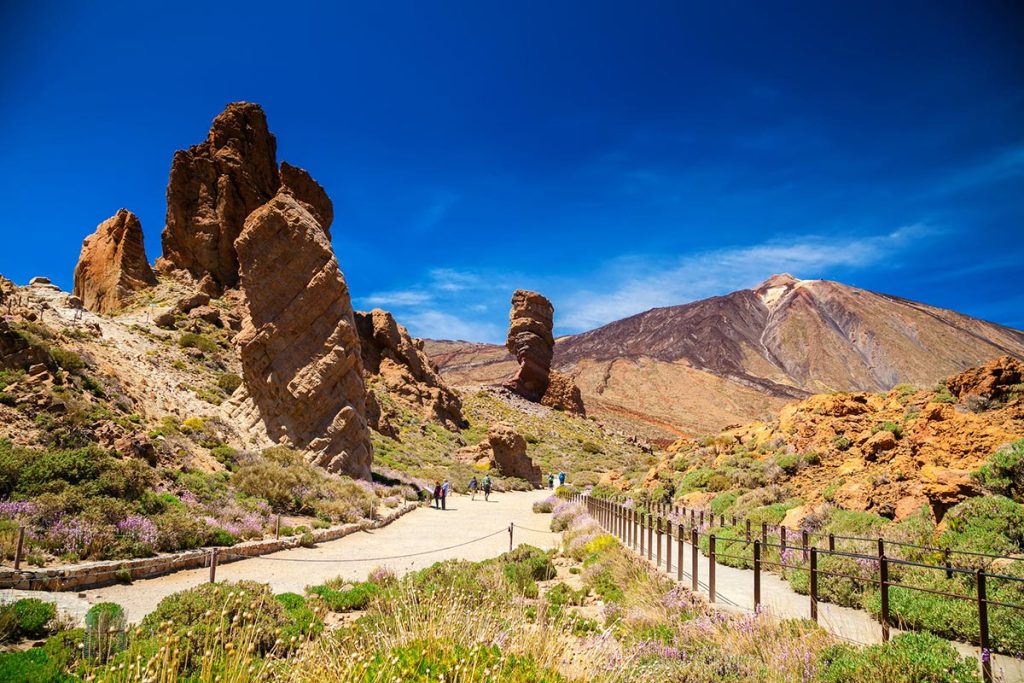
        Pre-events and events of the Carnaval de Santa Cruz de Tenerife – Late January to March, Santa Cruz (dates vary)

        One of Spain’s biggest carnival celebrations happens in Santa Cruz de Tenerife. It is also one of the most popular worldwide, attracting thousands of party lovers. 

        Enjoy parades of colorful floats, costumed performers, concerts, dances, competitions, and nonstop fun before Lent for two weeks. While the carnival usually takes place between February and March, its pre-events usually occur starting late January, and unlike in 2023, in 2024, the carnival will directly occur in the first month of the year. So, hurry up!

        Los Silos Street Market – Every Sunday in January

        A vibrant street market in the historic town of Los Silos, offering an array of local crafts, food, and live music, perfect for experiencing the local culture and cuisine.

        Almond Blossom Festival – Late January to Early February (dates vary)

        Celebrated in Santiago del Teide, this festival marks the blooming of almond trees with guided walks through the blossoming fields, folk music, and traditional Canarian food.

        What to Pack for a Trip to Tenerife in January

        Tenerife sees pleasant weather in January, but the north and mountains can be cooler — pack layers and beachwear.

        • Swimsuit and beach cover-up
        • Light jacket or jumper
        • Long pants and closed-toe shoes for hiking
        • Hat and sunglasses
        • Sunscreen and aloe vera
        • Small umbrella for rare rain showers
        • Smart casual evening wear for dining out
        • Comfortable walking shoes

        Tips for Travelers

        • Stick to the south for the most sunshine and heat
        • Visit Teide National Park early before clouds roll in
        • Attend Carnival events in Santa Cruz at the end of the month
        • Bring warm layers for evenings and cooler areas
        • Swim in the mornings when the water is warmest
        • Hike Masca Gorge on clear, sunny days
        • Enjoy lower prices before high season begins in February

        FAQs About Tenerife in January

        Is it a good time to visit Tenerife in January?

        Yes, January is an excellent time to visit Tenerife. The weather is mild and sunny, there are fewer crowds than during the winter holidays, and you can catch events like Carnival.

        Is January a good time to visit Mount Teide?

        Yes, January is a good time to visit Mount Teide in Tenerife. The weather is comfortable for hiking with highs around 21°C, and there are fewer crowds than in other months. Just go early before potential clouds.

        Can you swim in Tenerife in January?

        Yes, you can swim in Tenerife in January. The average sea temperature is around 20°C, warm enough for swimming and water sports. The south coast is the warmest.

        Is it too cold in Tenerife in January?

        No, it is not too cold in Tenerife in January. Average highs are around 21°C, and lows are 14°C, so it remains relatively mild year-round — pack layers for cooler areas like Teide.

        Is it too hot in Tenerife in January?

        No, January is not too hot in Tenerife. While highs average a comfortable 21°C, it cools off at night, and the north and mountains can be several degrees cooler than the south coast.

        Is it crowded in January in Tenerife?

        No, crowds are smaller in January compared to the popular winter holidays. With fewer tourists, attractions and beaches are less busy than at peak times.

        What’s the best thing to do in January in Tenerife?

        Some of the best activities in January include whale watching, hiking Teide, exploring coastal towns, attending Carnival events, relaxing on the beach, and seeing the Botanical Gardens.

        What should I wear in Tenerife in January?

        Pack light jackets, long sleeves, t-shirts, shorts, and swimwear. Have closed-toed shoes for hiking. Bring a light rain jacket for potential showers.

        What’s the average temperature in January in Tenerife?

        The average high is 21°C, and the average low is 14°C. The south coast sees higher temperatures than the north and mountains.

        Does Tenerife get a lot of rain in Tenerife?

        No, Tenerife does not get a lot of rain in January. The south remains very dry, while the north sees around 5 rainy days, primarily brief showers.

        Are there any festivals in Tenerife in January?

        Yes, significant events include Carnival, Three Kings Day, and local festivals like Fiestas de San Antonio Abad and the MOJO Music Festival.

        Conclusion

        In retrospect, in my regular January visits to Tenerife, this island does not follow the standard winter rules. Despite January always being perceived as freezing cold, Tenerife defies this perception by having a mild climate. 

        This is where I run away from the grip of the UK’s winter and enjoy fantastic warm holiday weather at the hot beaches with nice Canarian weather, which I love. Who can say no to the off-peak tranquility paired with the lively, bright colors of the vibrant Carnival?

        July 1, 2025 Uncategorized

        The 16 Best Foods To Try in Porto

        There’s much to love about Porto, but one of the best things about this magnificent city is the cuisine – food in Porto is wonderful! From sumptuous seafood dishes and rich meat feasts to comforting classics and decadent desserts, there’s something for everyone.

        In fact, there’s so much variety to Porto cuisine, that it can be hard to know where to begin.

        Fear not! During my travels, I’ve sampled some of the finest traditional food in Porto. I want to share my experiences with you, to give you an idea of which dishes you cannot afford to miss out on.

        So, here are my tips for the best food to try in Porto.

        16 BEST FOODS TO TRY IN PORTO 

        I’ve spent years traveling around some of Europe’s best foodie destinations and I have to say that Porto is up there with the best of them. There’s a real deep gourmet tradition here – they care about their food and are obsessed with getting the right flavors. In Porto, eating is more than a meal. It’s an experience.

        Like a lot of Mediterranean places, the local produce is sensational. On this list, you’ll find dishes where the ingredients are locally grown or produced. It’s all part of the culture – quality, care and sensational flavors.

        1. Francesinha Sandwich

        (MOST FAMOUS FOOD TO TRY IN PORTO OVERALL)

        Above all dishes, the Francesinha is the most renowned in Porto. It’s definitely not for the faint of heart, mind – we’re talking a thick sandwich with slices of ham steak and/or chunky chorizo, covered with a melted cheese sauce and topped with a fried egg. It’s decadence turned up to 11!

        You can buy a Francesinha in pretty much every food establishment in Porto, but that doesn’t mean you should. Some are cheaply made and taste bland. Others are truly incredible. When done right, a Francesinha should be gooey, meaty and rich, with big flavors that stand out.

        There’s a cozy, rustic fine dining place by the name of Yuko Tavern that serves up a Francesinha that’s out of this world. The sauce will blow you away! Another great spot to try this famous dish of Porto is Café Santiago. For both places, if possible, book ahead of time.

        YUKO TAVERN INFORMATION

        Address: Rua de Costa Cabral 2331, 4200-232
        Phone: +351 22 548 2291
        Operating Hours: 12:30-2:30pm, 7:30pm-2:00am, Mon-Sat
        Average Cost of the dish: €8.25
        Website: www.yuko.com.pt

        2. Pastel de Nata

        A typical breakfast in Portugal wouldn’t be complete without a Pastel de Nata. It’s essentially an egg custard tart, Portuguese style. Most places serve up Pastel de Nata with a dusting of cinnamon on top, for that earthy sweet spiciness.

        The pastry is crunchy and slightly salty, with that warm butteriness that feels like a big hug. The filling is hot, creamy, dreamy and delicious. When you get a good one, it’s a melt in your mouth sensation that leaves you wishing breakfast will never end.

        My recommendation is to head to Nata Lisboa, near the São Bento train station. Their Pastel de Natas are not overly sweet, but the filling will knock your taste buds for six!

        NATA LISBOA INFORMATION

        Address: R. de Santa Catarina 506, 4000-452
        Phone: +351 22 208 4366
        Operating Hours: 7am-9pm, Mon-Fri
        Average Cost of the dish: €1.50
        Website: www.natalisboa.com/

        3. Port Wine

        The city’s number one export, port wine is the perfect pairing with pretty much any of the traditional dishes in Porto. Believe it or not, port wine was first invented by British tipplesmiths who, in an attempt to prevent Portuguese wine from spoiling while transporting it back to the UK, blended it with brandy.

        The result was a fortified wine that has stood the test of time. Over the south side of the Douro River, in the suburb of Vila Nova de Gaia, you’ll find a number of port wine cellars offering tastings of some of the best examples of fortified wine in the world.

        Cockburn’s Port Lodge is as good as it gets. With this kind of tour, you can go beyond the glass to find out how the wine is made and produced – from grape harvesting to barrel construction. Everything influences the flavor, which you’ll appreciate all the more for delving into the whole methodology behind this delicious drink.

        Cockburn’s Port Lodge INFORMATION

        Address: R. de Serpa Pinto 346, 4400-307 Vila Nova de Gaia, Portugal
        Operating Hours: 9:30am-6:30pm, Mon-Sun
        Average Cost of tour and tasting: €12
        Website: www.cockburns.com/visit-us

        4. Bolinhos de Bacalhau

        The Portuguese go crazy for salted cod. It should come as no surprise, then, that one of the most popular foods in Porto is a deep fried codfish ball. This isn’t just any deep fried fish dish though. The best bolinhos de bacalhau are wonderfully crunchy on the outside, and succulent and soft on the inside.

        The filling is a mouthwatering mixture of cod and potato, expertly seasoned to make the ingredients work in harmony. The bolinhos are, in fact, quenelle-shaped rather than ball shaped – quenelles being more of an elongated egg shape. This helps achieve the perfect crunchy texture, to complement the flavors on the inside.

        Looking for the best place to eat Bolinhos de bacalhau in Porto? Look no further than Casa Portuguesa do Pastel de Bacalhau. It’s not cheap by any means, but the quality is great and, if you manage to nab a place on the terrace, you’ll have the perfect view of the spectacular Clérigos Tower.

        Casa Portuguesa do Pastel de Bacalhau INFORMATION

        Address: Campo dos Mártires da Pátria 108, 4050-367
        Phone: +351 21 164 8919
        Operating Hours: 10:30am-9pm, Mon-Sun
        Average Cost of the dish:
        Website: www.pasteldebacalhau.pt/

        5. Cachorrinhos

        These little puppies are practically an institution in Porto. I say little puppies for a reason – the word cachorrinhos literally translates as ‘little puppies.’ Hands down the best Porto street food to enjoy with a cold beer when visiting Porto, this delicious dish consists of spiced Portuguese sausage served in a crusty roll and sliced into segments.

        Sometimes the bread is brushed with a spicy sauce and nothing more. Other times, the whole thing is served drizzled with melted cheese or in a generous helping of francesinha sauce with a portion of french fries on the side. Often, when it comes to Cachorrinhos, simplicity is best.

        That’s what makes Gazela bar in central Porto stand out. The ingredients are local, the quality is great and the lines are out the door. Pick a time of day when it’s not so busy, and you’ll be blown away by this humble little restaurant that makes some of the best traditional Porto food. Always with a side of beer, of course.

        Gazela INFORMATION

        Address: Tv. Cimo de Vila 4, 4000-434 Porto, Portugal
        Phone: +351 22 112 4981
        Operating Hours: 12-10:30pm, Mon-Sat
        Average Cost of the dish: €4.20
        Website: www.cervejariagazela.pt/

        6. Bifana

        Another meat dish that’s practically a national institution, a bifana is a traditional Portuguese sandwich filled with thin slices of marinated pork. The secret to the success of this staple food of Porto is the marinade – some of the best Bifanas bring a flavor like no other.

        Okay, so a bifana is a must eat in Porto… but where must one eat a Bifana in Porto? Well, for my money, foodies visiting Porto should jump in line at Conga. The taste of the pork is out of this world – I got flavors of white wine, garlic and mustard – while the setting is chilled and down-to-earth.

        As a bonus, it’s right in the heart of the city, so you can stop by as a much needed respite from all the sightseeing.

        Conga INFORMATION

        Address: R. do Bonjardim 318, 4000-115
        Phone: +351 22 200 0113
        Operating Hours: 11:30am-10pm, Mon-Sat
        Average Cost of the dish: €5.20
        Website: congacasadasbifanas.negocio.site/

        7. Alheira Sausages

        Meat lovers looking to sample a traditional local food in Porto should definitely try Alheira sausages. A combination of meats – typically beef, chicken, veal, rabbit, duck and/or quail – these sausages are also flavored with other ingredients such as garlic, olive oil, bread and paprika.

        Alheira sausages were brought to Portuguese cuisine by Jewish settlers at the turn of the 16th century. Back in the day, these sausages were typically grilled and served with boiled vegetables. Nowadays, however, they are more often than not fried, and served with a side of fries and a fried egg.

        These sumptuous sausages are a very common food in Porto – you’ll find them on most menus across the city. In fact, they’ll most likely be one of the most affordable items on the menu. Try this affordable Portuguese food at Lareira – Baixa – they specialize in good, inexpensive traditional Portuguese fare. While you’re there, do yourself a favor and try the white sangria… it’s divine!

        Lareira – Baixa INFORMATION

        Address: R. Das Oliveiras 8, 4050-159
        Phone: +351 22 208 0917
        Operating Hours: 12-11pm, Mon-Sun
        Average Cost of the dish: About €12 when served as part of a meal
        Website: www.restaurantelareira.pt/

        8. Sandes de pernil

        Yet another pork sandwich – the Portuguese sure love their pork sandwiches! One taste of this bad boy and you’ll understand why it’s one of the must try dishes in Porto.

        This sandwich consists of pulled pork that’s slow cooked to bring a taste that’s on another level. Pork shoulder (pernil) is slowly roasted and then shredded, then served between crusty bread, often with a helping of mustard and melted cheese.

        The sande de pernil at Casa Guedes is a must eat in Porto. Their pork is out of this world – I’m not sure what they put in the marinade, but it’s sensational! It’s one of the most popular Porto restaurants – the place is usually packed, which speaks to the quality of the food, and it all adds to the atmosphere. If you want to experience the authentic food culture of Porto, this excellent family-run restaurant is the place!

        Casa Guedes INFORMATION

        Address: Praça dos Poveiros 130, 4000-393
        Phone: +351 22 200 2874
        Operating Hours: 11am-midnight, Mon-Sun
        Average Cost of the dish: €5
        Website: casaguedes.pt/?l=en

        9. Tripas à Moda do Porto

        When you think of traditional local food in Porto, you probably think meaty street food or grilled fish. A big comforting stew is probably not something you’d normally associate with Porto; however, tripas á moda do Porto is most definitely up there with the best food in Porto and if you’re looking for something warming, it will certainly hit the spot.

        Rustic, rich and big on flavor, tripas á moda do Porto contains tripe (usually veal tripe), smoked pork sausage, white beans, carrots, onions, garlic and a mix of herbs. This delicious dish is said to have originated in the 15th century. The story goes that a Portuguese explorer asked Porto’s residents to supply food for one of his voyages. They were left with nothing but tripe and so tripas à moda do Porto became a standard local dish.

        In my opinion, the best place to eat tripas à moda is Abadia do Porto. It’s a long-standing restaurant that specializes in traditional Porto cuisine.

        Abadia do Porto INFORMATION

        Address: R. do Ateneu Comercial do Porto 22, 4000-380
        Phone: +351 22 200 8757
        Operating Hours: 12-3pm, 6:30-10:30pm, Mon-Sat
        Average Cost of the dish: €20
        Website: abadiadoporto.com/

        10. Caldo Verde

        A soul-soothing soup that’s fresh, invigorating and packed full of flavors, Caldo Verde is a staple food of Porto – you’ll find it on menus in most Porto restaurants. It’s a typical summer dish, often served around the festival of Saint John during the summer solstice, but it’s generally enjoyed throughout the year.

        Caldo verde – which means ‘green broth’ contains a mix of hearty meat and vegetables, including sausage, potatoes, cabbage, kale, onion, garlic, salt and pepper.

        A great way to sample this authentic dish is to go truly local – visit the Casa da Horta, a non-profit cultural and environmental association, where they make a fantastic bowl of caldo verde using locally-grown vegetables and home baked bread.

        Casa da Horta INFORMATION

        Address: R. de São Francisco 12, 4050-253
        Phone: +351 22 202 4123
        Operating Hours: 6-10pm, Mon-Sat
        Average Cost of the dish: €2
        Website: casadahorta.weebly.com/

        11. Grilled Sardines

        Sardines Grilled

        Probably one of the most famous foods in Porto, and in Portugal in general, sardines are a must try if you’re a fan of fish and seafood dishes. They are locally caught, plentiful in supply and absolutely delicious – especially when grilled.

        Sardines sum up the essence of traditional Portuguese food quite nicely. Simple, yet effective, well prepared – a sprig of parsley, a squeeze of lemon – and precision cooked to get the best possible flavor. Humble sardine dishes are served in all kinds of Porto restaurants, but few do it better than Salta O Muro.

        It’s a real gem of a place – unpretentious, cozy and quaint, with a focus on amazing flavors and a friendly local vibe. If you’re after an inexpensive meal that captures the spirit of traditional Porto food, this restaurant is perfect! Take a table on the terrace, enjoy the breeze, and savor the flavors!

        Salta O Muro INFORMATION

        Address: R. Heróis de França 386, 4450-155 Matosinhos
        Phone: +351 22 938 0870
        Operating Hours: 12:15-3pm, 7-10:45pm
        Average Cost of the dish: €12.50
        Website: saltaomuro.eatbu.com/?lang=en#menu

        12. Aletria

        One for sweet-toothed dessert lovers, Aletria is a traditional Portuguese dessert that’s similar to rice pudding. This sweet, creamy dish is made with vermicelli or noodles, as well as milk, egg yolks, sugar, cinnamon and lemon. It’s lusciously thick, rich and very comforting.

        As you’d expect from the ingredients and flavor profile, this dish is typically eaten during the winter months – in fact, it’s quite a traditional Christmas dessert in northern Portugal.

        Terreiro, a seafood restaurant nestled on the north bank of the Douro River, makes a sensational aletria. Unlike many aletrias that you’ll find in Porto restaurants, Terreiro’s is made without milk, making it a bit lighter. Try it… it’s divine!

        Terreiro INFORMATION

        Address: Largo do Terreiro 11, 4050-603
        Phone: +351 22 201 1955
        Operating Hours: 12:30-10pm
        Average Cost of the dish: €3
        Website: terreiro.eatbu.com/?lang=en

        13. Prego no Pão

        A street food classic that will take your breath away, prego no pão, is essentially a steak sandwich, although really it’s far more than just a steak sandwich.

        One of the most famous of all porto snacks, prego no pão consists of thinly sliced steak, garlic, salt, pepper and a toasted bun. The name comes from the preparation process – the garlic is hammered into the meat (prego is Portuguese for ‘nail’) to fully infuse the flavor. Salt, pepper and paprika is then added

        This iconic Portuguese street food is served up at most Porto restaurants – it’s pretty difficult to find a bad prego no pão. For one of the best, head to the masters of inexpensive simple Portuguese food, Lareira – Baixa.

        Lareira – Baixa INFORMATION

        Address: R. Das Oliveiras 8, 4050-159
        Phone: +351 22 208 0917
        Operating Hours: 12-11pm, Mon-Sun
        Average Cost of the dish: €5
        Website: www.restaurantelareira.pt/

        14. Tinned Sardines

        Okay, so you already know how delicious grilled sardines in Porto are, but did you know that tinned sardines in Portugal are fantastic? The Portuguese have been preserving fish for centuries and have mastered the art of catching, canning and preserving this delicious seafood.

        It’s a big part of the culture and one of the best ways to truly understand its importance is to visit one of the famous canneries in Porto. The Pinhais Cannery & Co offers an informative, well-designed tour that will surprise you with just how good it is. It gives you an insight into a slice of Porto’s history that most people don’t know about.

        Of course, you’ll get to taste sardines too – the finest of their kind in the world!

        Pinhais Cannery & Co. INFORMATION

        Address: Av. Menéres 700, 4450-189 Matosinhos
        Phone: +351 22 938 0042
        Operating Hours: 9am-6pm, Mon-Sat
        Average Cost of the dish: €12
        Website: www.conservaspinhais.com/en/home

        15. Açorda

        A very popular soup that’s served in Porto and throughout Portugal, açorda consists of thinly sliced bread, garlic, olive oil, vinegar, and herbs such as coriander. All ingredients aside from the bread are whizzed up and served over the bread, then a poached egg is added on top. Chicken stock is often poured over the top, to bring a little extra richness.

        Like other typical Porto food favorites, açorda’s origins lie with the country’s poorer residents. It came about as a way of using up leftover stale bread and vegetables that had passed their best. Today, many of the city’s best chefs are putting their own twist on this classic dish.

        Tapabento is one of the best places to try açorda in Porto. The laid-back atmosphere is welcoming enough, but once you try the food you really understand why this place is so highly regarded by locals. While you’re in the area, don’t miss the incredible São Bento train station – one of the most striking railway stations in Europe.

        Tapabento INFORMATION

        Address: R. da Madeira 221, 4000-330
        Phone: +351 912 881 272
        Operating Hours: 12-3pm, 7-10:30pm
        Average Cost of the dish: €12
        Website: tapabento.com/en/home-page-en/

        16. Rissóis

        Rissóis, or ‘rissoles’ are a very popular snack in Porto. They were originally created in France, although they’ve been a staple of Portuguese cuisine for many years. Throughout Porto, you’ll find rissóis served up in cafes, bars, and households – they’re actually a very popular food at celebrations. Go to a Portuguese barbecue, and there will no doubt be a plate of rissóis!

        In Porto, they tend to come in half-moon shape, with crunchy pastry on the outside and meat or shrimp on the inside, usually with some kind of sauce such as bechamel. They’re usually fried, although sometimes baked, and can be served either hot or cold.

        For the very best rissóis in town, head to the Ofician dos Rissóis, where two Parisian-trained Michelin-star chefs will whip you up a treat to remember. Delicious!

        Oficina dos Rissóis INFORMATION

        Address: Passeio de São Lázaro 5A, 4000-507
        Phone: +351 912 018 587
        Operating Hours: 12-3pm, 7-10:30pm, Mon-Sat
        Average Cost of the dish: €2.60
        Website: www.instagram.com/oficinadosrissois/

        FOOD TOURS IN PORTO

        The best way to truly experience the incredible food on offer in Porto is to take part in a food tour. There are many great food experiences in this wonderful city, most led by locals with a real understanding of the history of Porto’s most iconic dishes. Here are some of the best Porto food guide tours you should check out when visiting.

        3-Hour Food and Wine Tasting Tour

        Take this immersive guided Porto food experience for a delicious deep dive into regional dishes such as bolinho de bacalhau and bifana, as well as port wine. You’ll get a real in-depth understanding of the local gastronomic culture, guided by an expert local foodie, and you’ll get to savor most of the wonderful dishes on this list while you wander the streets of Porto’s historic Ribeira district.

        Complete Douro Valley Wine Tour

        If you’re visiting Porto for longer than a day or two, then a trip to the Douro Valley is a must. Here, you can explore the beauty of the Portuguese countryside and also learn more about how the iconic port wine is made. For this, book yourself a full Douro Valley tour, where you can sample the delights of local winemakers and enjoy a regional lunch made with freshly grown ingredients, all the while enjoying the incredible vistas in this spectacular part of the world.

        The Award-Winning Private Food Tour of Porto

        This excellent local-led food tour takes you on a private personalized tour of popular hot spots and lesser-known gems to sample the best cuisine on offer in Porto. You’ll get to taste famous Porto food such as Alheira sausages, cachorrinhos, francesinhas and, of course, the iconic pastel de nata.

        Port Wine Lodges Tour

        The renowned Vila Nova de Gaia wine lodges, just over the river from the center of Porto, offer a fascinating glimpse into the production of Port wine. Take part in an interactive wine experience, where you’ll have the chance to visit multiple wine cellars and learn to taste port like a pro.

        Douro Valley Cruise with Winery Visit and Lunch

        If you’re after a relaxing food experience, don’t miss this wonderful Douro Valley cruise. You get the chance to taste 11 different port wines at two local wineries, and will be cooked a fire-cooked local lunch by an expert chef, while also indulging in traditional snacks as you make your way along the picturesque Douro River.  

        MUST-TRY FOODS IN PORTO FAQS

        What are the most traditional foods in Porto?

        Porto is renowned for its traditional fish dishes, such as grilled sardines and bolinhos de bacalhau. However, the most traditional produce in Porto is most definitely port wine. This sweet deep flavored fortified wine is served up in bars and restaurants all over the city.

        What’s the most popular food in Porto?

        There are many iconic dishes in Porto, but probably the most popular are pastel de nata – little cream-filled pastries served with a dusting of cinnamon on top – and the francesinha – an indulgent steak and pork sandwich doused in melted cheese with a fried egg on top.

        What are the most famous foods in Porto?

        Porto has a thing about meat sandwiches – the likes of the francesinha, prego no pão, sande de pernil, cachorrinhos and bifana are all delicious meat-based sandwiches that are very famous in Porto.

        In terms of fish and seafood, bolinhos de bacalhau and grilled sardines are both famous dishes served in many restaurants throughout Porto.

        When it comes to desserts, the flaky cream-filled pastry, pastel de nata, is the most well-known.

        Which area is best for food in Porto?

        There are several great foodie districts in Porto. The most liveliest is the Ribeira neighborhood – here you’ll find lots of great restaurants, cafes and bars serving up the best food on offer in Porto.

        Cedofeita is another great neighborhood in Porto, with plenty of excellent restaurants serving traditional dishes.

        Is Porto known for street food?

        Yes! There are some amazing street food options in Porto, most notably the sandwiches. The bifana, cachorrinhos, prego no pão and sandes de pernil are all delicious street food sandwiches, while deep fried pastries known as Rissóis are also very popular.

        What food is Porto known for?

        Porto is most known for Port wine, as well as iconic dishes such as the francesinha sandwich, bolinhos de bacalhau and pastel de nata.

        What is the main dish of Porto?

        It depends who you ask. Older residents in Porto might say tripas à moda do Porto, a tripe stew with sausages and vegetables. Younger people in Porto might point you towards the epic sandwich served with melted cheese, beer sauce and a fried egg – the francesinha.

        How do you eat like a local in Porto?

        There are lots of friendly, local restaurants in Porto that serve terrific food. Follow my recommendations on this list and don’t forget to ask questions to the locals about their food. People in Porto are really friendly and passionate about their cuisine!

        To get a deeper understanding of the local food culture in Porto, your best bet is to take part in a local-led food tour. See above for my recommendations on the best food experiences to take part in while visiting Porto.

        What sandwich is Porto famous for?

        The francesinha. This sublime showstopper of a sandwich is the most famous in a city renowned for its sandwiches.

        What drink is Porto famous for?

        Port wine is produced in the Douro Valley near Porto and is served in bars all over the city.

        What is hangover food in Porto?

        The francesinha is the go-to hangover cure for the Porto’s party people. The average francesinha contains five types of meat, and is covered in melted cheese, a fried egg and a beer sauce (hair of the dog). Take that hangover!

        Do you tip in Portugal?

        Many people don’t tip in Portugal, but leaving a tip of between 5% and 10% is certainly appreciated.

        IN CONCLUSION

        Well, that wraps up my guide to food in Porto. It truly is a foodie’s paradise. It’s low on pretentiousness and high on authenticity, with a whole host of iconic, tastebud-tingling traditional dishes that will leave you wanting to make your own when you return from your trip.

        From the indulgent charm of the famous francesinha to the revitalizing richness of caldo verde, and everything in between, there’s a delicious dish to suit every taste in Porto.

        July 1, 2025 Uncategorized

        12 Best Things To Do in Bath

        One of Britain’s most historic cities, Bath is a treasure trove of historical delights, with so many wonderful attractions to reward curious travellers.

        From the 2,000 year old Roman Baths from which the city was named to dazzling English landscaped gardens, there’s something for everyone in this magical city.

        Best things to do in Bath 

        Bath is a dizzying mix of history, culture and natural beauty. Here are just some of the best things to do and see in Bath.

        1. Discover the history of the Roman Baths

        Do as the Romans did and take a relaxing journey to the city’s historic baths. While you can’t ask take a dip in the baths nowadays, it’s still fascinating to get a glimpse into how Romans cooled off over 2,000 years ago.

        This UNESCO World Heritage Site puts the ‘bath’ in Bath. Literally… the city was named after the unique unique ancient natural hot springs. They are incredibly well preserved and an amazing legacy of Roman life. Interactive exhibits bring the past to life and you can visit natural springs such as the Thermae Bath Spa, a fantastic health complex with steam rooms and treatments that blends ancient history with modern luxury. Don’t forget to head to the Thermae Bath Spa rooftop pool that affords sweeping panoramas of the city.

        Learn all about Bath’s ancient Roman history and Georgian architecture with a Roman baths and Bath city walking tour.

        Address: Abbey Churchyard, Bath BA1 1LZ, United Kingdom 

        2. Be stunned by Bath Abbey and Discovery Centre

        Prepare to be amazed! This historical attraction is one of the most impressive things to see in Bath, with an incredible vaulted ceiling that’s one of the most impressive works of 16th-century architecture in England. It was created by royal architect Robert and William Vertue, the man behind the ceiling of the Henry VII chapel at Westminster Abbey.

        After you’ve taken a tour of the towers, head to the Discovery Centre to learn about the history of the Abbey, then take a gentle cruise down the River Avon for a fresh perspective of Bath Abbey’s beauty.

        A Bath walking tour centred around Bath Abbey is a great way to appreciate the sheer grandeur of this magnificent

        Address: Bath BA1 1LT, United Kingdom 

        3. Jane Austen Centre

        Arguably Bath’s most famous resident, the esteemed novelist Jane Austen was hugely influenced by Bath’s elegance and vibrance. If you’re a fan, a visit to the Jane Austin Centre is a must – even if you’re not, it’s great fun and a fascinating insight into the literary history of the city.

        Located in an stunning Georgian townhouse, the centre tells the story of her time in the city between 1801 and 1806. Actors in costume bring her story to life, painting a picture of what it must have been like for those living in Bath in the early 19th-century. You can even dress up in Regency era clothing yourself!

        While you’re there, be sure to have afternoon tea at the Regency Tea Room. Plus, with 2025 marking Jane Austen’s 250th birthday, expect special experiences, events and activities, especially on the day itself – 16th December. Take a Jane Austen history trail to go deeper!

        Address: 40 Gay St, Bath BA1 2NT, United Kingdom

        4. Mary Shelley’s House of Frankenstein

        Spooky shenanigans await at this wonderfully spooky experience. Perfect for those who love a good scare and some literary inspiration, Mary Shelley’s House of Frankenstein delves into the fascinating world of one of horror’s most famous creations. Set over four floors, this museum to the macabre offers immersive, multi-sensory activities and lots of fun!

        Most thrillingly, there’s even an escape room and a murder mystery, with Victor’s Lair and Shallows and the Body in a Suitcase game capping what is one of the most fun things to do in Bath.

        Address: 37 Gay St, Bath BA1 2NT, United Kingdom

        5. Escape to Prior Park Landscape Garden

        Originally founded by British postmaster, merchant and philanthropist Ralph Allen, the sprawling eighteenth-century Prior Park Landscape Garden is now looked after by the National Trust. It’s an oasis of calm and epitomises the beauty of a typical English landscaped garden.

        Don’t miss the breathtaking Palladian bridge – an icon of 18th-century English gardens and one of only four that exist in the world – and be sure to check out park’s other features, including a cascade, a Serpentine Lake and a Gothic Temple.

        It’s the perfect place to take a picnic and enjoy the summer sun and you’ll find lots of regular family activities taking place over the summer.

        Address: Ralph Allen Dr, Bath BA2 5AH, United Kingdom 

        6. Get cultural at the Holburne Museum

        The collection of a famous naval man, Sir William Holburne, who collected unusual and rare artefacts from around the world, The Holburne Museum is a fascinating place for anyone with even a passing interest in art. Here you’ll find everything from masterful Georgian oil paintings to strange sixteenth-century carvings, plus a whole lot more.

        Located in Sydney Gardens, The Holburne Museum was conceived as Bath’s first public art gallery when it was opened in 1882. Today, it showcases over 9,000 works of fine and decorative art including one of the country’s best collections of 18th-century art. Small enough to take in on one brief enough visit, it’s one of the best things to see in Bath for those looking for a shot of culture.

        One of the filming locations for the show Bridgerton, the Holburne Museum is part of the Bridgerton Tour and Bath City Highlights with Music tour. For fans of the show, it’s a must!

        Address: Great Pulteney St, Bathwick, Bath BA2 4DB, United Kingdom

        7. Reach for the stars at the Herschel Museum

        Showcasing the amazing lives of two of England’s most famous stargazers, brother and sister astronomers William and Caroline Herschel. The museum recounts the fascinating story of their lives, how they rose to prominence in astronomy circles, their musical career and how William eventually discovered the planet Uranus.

        This small museum is particularly great for kids, with an audio-visual guide that takes the form of Caroline Herschel herself, guiding children around the home as they make their own discoveries.

        Address: 19 New King St, Bath BA1 2BL, United Kingdom

        8. Take a Bath skyline walk tour

        A six mile route that takes in the most picturesque places to see in Bath, this fantastic route offers the experience of the countryside in the city. It’s made to be really accessible and very easy to do, with lots of signposts and a total time of around three-and-a-half hours. 

        Starting at Bathwick Hill, the Bath Skyline Walk takes in the most impressive Bath attractions, including the stunning botanical gardens Royal Victoria Park.

        9. Take to the skies in a hot air balloon

        Bath is famous for its amazing views from the air, no it’s no wonder there’s a whole range of amazing hot air balloon expeditions on offer in the city.

        Some even offer a glass of Prosseco on take off, meaning you can enjoy the spectacular views of the Wiltshire and Somerset countryside in a slightly more relaxed manner. 

        10. Catch a show at The Bath Forum

        A stunning Grade II-listed that opened its doors way back in 1934, the Bath Forum is a part of Bath’s heritage. Originally an Art Deco cinema, it became a concert venue in 1969 and has hosted world class bands including The Beatles.

        The interior is amazing, with its gold-leaf touches, iconic green seats and original wooden textures bringing an old world glamour to the venue. If you get the chance to catch a show at Bath’s largest music venue, don’t miss out!

        Address: Avon, 1A Forum Buildings, Bath BA1 1UG, United Kingdom 

        11. Marvel at the Royal Crescent

        One of the world’s most photographed places, the Royal Crescent is a magnificent crescent of terraced houses Designed by famed architect John Wood the Younger and built in the mid 18th century. In a city renowned for it’s Georgian architecture, it’s one of the most impressive examples and a Grade I listed collection of buildings.

        Start or end your journey along the Crescent with a visit to No. 1 Royal Crescent – the Palladian-style townhouse that gives a deeper insight into the history of the complex, and also features whole period decor and fine art from the era.

        Address: Royal Crescent, Bath BA1 2LR, United Kingdom 

        12. Spend a day at the races

        For those who fancy a flutter, a trip to one of England’s most historic racecourses is in order. Set in the idyllic surroundings of Landsdown Hill, it’s a 20-minute drive outside the city, a offers fabulous views over Bath and beyond.

        If racing is your thing, you’ll be sure to find it one of the most fun things to do in Bath. There’s all kinds of special events held throughout the year too – from beer and cider festivals to big banquets and wedding exhibitions.

        Kids are allowed free entry, making it one of the best free things to do in Bath. Bath Racecourse often puts on special kids events, with bouncy castles, funfair rides and face painting among the fun activities on offer. So, whether you go for a flutter or to keep the kids happy, it’s sure to be a hit.

        Address: Lansdown, Bath BA1 9BU, United Kingdom

        Quick travel itineraries for Bath 

        Whether you’re visiting Bath for the day or staying for a week, there’s a lot to see and do in this historic city.

        1 day in Bath itinerary

        Make a beeline to the Roman baths – simply essential when visiting this city. Then visit the nearby Bath Abbey, which is also in the city centre, for a true insight into the history of this fascinating destination.

        2-3 days in bath itinerary

        Start your day with a gentle walk around Royal Victoria Park before taking in the architectural beauty of the Royal Crescent. Make your way towards Bath’s city centre, soaking up culture and history at the Jane Austen Centre, The Herschel Museum, the Roman Baths, the Thermae Bath Spa and rooftop pool and Bath Abbey, before finishing off the day with a show at the Theatre Royal or The Forum.

        1 week in bath itinerary

        The Bath skyline walking tour is a great way to see the city and is recommended for anyone staying longer than a few days. Also, branching further out to the likes of Bath Racecourse for a day trip is a great idea, as is taking in the sights from the sky with a hot air balloon ride.

        History buffs should spend at least a day explore the Roman Baths and the history of the Romans in the city. The likes of the Bath Abbey, the Royal Crescent, the Jane Austen Centre, The Herschel Museum, the Holburne Museum in Sydney Gardens and Mary Shelley’s House of Frankenstein offer further historical treasures.

        If you’re in Bath on the first Saturday of the month, be sure to check out the Bath Artisan Market.

        A week in Bath demands a culinary adventure or two. See my recommendations below for the best places to eat in Bath.

        Where to stay in Bath 

        These are a few of the best neighbourhoods in Bath for tourists.

        Historic Bath – best for culture vultures

        Hotel Indigo Bath is a fabulous boutique hotel that’s set in Bath’s historic quarter and offers a relaxed stay in luxury surroundings. Set in a Grade I listed honey-hued Georgian terrace built in the 18th century, this magnificent hotel has hosted many famous figures over the years, including Sir Walter Scott, William Wilberforce and the Duke of York.

        The Roman Baths are only a 5-minutes walk away, along with the best Bath attractions. Rooms are elegant and although parking is tricky, luckily there’s a concierge who will park your car away safely.

        Bathwick – best for those on a budget

        Slightly outside the centre of the city, just east of the River Avon and the Kennet and Avon Canal, Bathwick is serene and quiet enough yet centrally located, meaning you’re never too far away from the best things to do in Bath.

        Camden – best for families

        Located on a hill with sweeping views of the city, Camden is a hip neighbourhood with lots of great activities for kids, as well as bars, cafes and restaurants.

        Best restaurants in Bath 

        Here are some of the best places to eat in Bath.

        Brasserie Beau

        The place to go for a Sunday roast! Our roast beef dinner which was exquisite and the Yorkshire pudding stuffed with braised beef cheek was an especially nice touch.

        The Scallop Shell

        Amazing seafood in a rustic setting. We had good quality oysters as a starter, then excellent fish and chips with homemade tartare sauce to die for. The half skate wing with romesco sauce was a particularl standout.

        OAK Restaurant

        Quaint decor oozes old school charm, but the amazing vegan cuisine steals the show. Try the five-course tasting menu and prepare to be amazed.

        Another recommendation is the Pump Room, which offers amazing afternoon tea overlooking Roman Baths hot spring.

        Getting to Bath 

        Bath is about a two hour 40 minute drive from London, and you can also catch a train in under two hours. For those flying in from overseas, the nearest airport is Bristol, where the Bristol Flyer Airport Express will take you to Bristol Temple Meads rail station, then you can catch a train to Bath.

        Things to do in Bath: FAQs

        Here are some answers to commonly asked questions about visiting Bath . 

        What is Bath known for?

        This historical city in the south west of England is best known for its UNESCO World Heritage Site 2,000 year old Roman Baths, located in the centre of the city.

        When is the best time to visit Bath?

        To swerve the crowds and catch cheaper accommodation, visit Bath in spring, between May and June, or in Autumn, between September and October. If you’re visiting around Christmas, be sure to check out the Bath Christmas market.

        Is Bath worth visiting?

        Absolutely! With its blend of history, culture and natural beauty, Bath is one of England’s unsung heroes!

        Is Bath safe?

        Yes, Bath is one of England’s safest cities, for locals and tourists alike.

        Make Bath your next English port of call

        The city of Bath has aged like a fine summer wine, with incredibly well preserved Roman ruins and streets that hold fascinating stories from England’s past. Plus, with wonderful walking routes and immaculate parks, you can enjoy the Great British outdoors in all its glory.

        July 1, 2025 Uncategorized

        20 Best Things to do in Las Palmas

        If you’re contemplating visiting Las Palmas on the stunning island of Gran Canaria, look no further. This list of 20 things to do in Las Palmas is the ultimate travel guide for Gran Canaria. It will help you plan your itinerary while you stay on the island. Plus, it will help you find the best attractions and top spots to visit in the city of Las Palmas. So, discover the city of Las Palmas with this ultimate guide of the 20 top things to do in Las Palmas. You’ll be able to visit all of these by foot, so you needn’t miss out on anything. Enjoy!

        things to do in Las Palmas

        First and foremost, before we begin, please note that Las Palmas is the name of the province as well as the city. Las Palmas Province, also known as the Province of Las Palmas encompasses the islands of Gran Canaria, Fuerteventura, Lanzarote and several minor islands. Whereas, Las Palmas de Gran Canaria is the full name of the capital city of Gran Canaria island. The Island of Gran Canaria is just one of the Canary Islands located off the coast of Northwestern Africa. The Canary Islands belong to Spain.

        The city of Las Palmas ranks 9th on the list of largest cities of Spain. Not only is it a thriving capital with tons of things to see, it is also a popular stop for cruise ships as well as shoppers who wish to find duty-free items! The population of Las Palmas is roughly 400,000. Geographically speaking, you can find the city of Las Palmas in the northeastern corner of Gran Canaria. In fact, it’s only 150km or 93 miles away from the Moroccan coast!

        The city was established in the year 1478 by Juan Rejon as Real de Las Palmas. A few years later, in 1492, Christopher Columbus actually anchored in a Las Palmas port, spending some time in the Canaries, prior to his first famous voyage to the Americas.

        A century later, Las Palmas saw some violence in the notorious Battle of Las Palmas, which resulted from the Anglo-Spanish War on Gran Canaria. Although some of the city was destroyed, Las Palmas is rich in history, charming architecture and many cultural sites. The city has a lot of colourful houses with heavy Portuguese influence. Some say, it resembles Brazil’s favelas. Best of all, you can all visit these by foot!

        best things to do in Las Palmas

        1. Poema del Mar

        This is a must see! Poema del Mar, or ‘Poem of the Sea’ is a top-notch aquarium that is home to many marine species, exotic fish and plants. Most noteworthy, get really for an out of this world experience. It has the largest state-of-the-art fish tank in the world, an impressive fish tunnel and more.

        Address: Muelle del Sanapú, 22, 35008 Las Palmas de Gran Canaria, Gran Canaria, Spain

         Poema del Mar, an aquarium and one of the things to do in las palmas.

        2. Mercado de Vegueta

        The Mercado de Vegueta is one of the most beautiful markets in Las Palmas. Visiting this market is one of the top foodie things to do in Las Palmas. You’ll come across many types of local cheeses, fresh produce, meats, fruits and fresh Atlantic fish.

        The market is open from Monday to Saturday from 6:30 am to 2-3 pm, depending on the day. The market is closed on Sunday.

        Address: mercado de vegueta, c/Mendizábal nº 1, 35001 Las Palmas de Gran Canaria, Gran Canaria, Spain

        3. Montesdeoca

        This is one of the best commercial streets in Las Palmas, packed with buzzing and thriving restaurants upon every footstep. It’s definitely worth taking a stroll down this busy street.

        Address: Calle Montesdeoca, 35001 Las Palmas de Gran Canaria, Gran Canaria, Spain

        4. Mendizabal

        Take a stroll down this historic street. The name suggests that the street is dangerous, however, this couldn’t be further from the truth. It is also home of the infamous Toriador Agustun Millares Torres.

        Address: Calle Mendizábal, 35001 Las Palmas de Gran Canaria, Gran Canaria, Spain

        5. Cathedral Santa Ana

        The Cathedral of Santa Ana, also known as Las Palmas Cathedral is a Roman Catholic cathedral. It is located in the Vegueta neighbourhood and is considered as one of Las Palmas’s top landmarks. The Cathedral was constructed in 1570 with Gothic and Romanesque styles. Until recently, (1819), this cathedral was the only one on the Canary Islands!  The most beautiful part though is the scenic square in front of the Cathedral. Make sure that visiting this cathedral is on your list of things to do in Gran Canaria.

        Address: Plaza Sta. Ana 13, 35001 Las Palmas de Gran Canaria, Gran Canaria, Spain

        6. Old Town Hall

        The Las Palmas Town Hall is another one of the city’s popular landmarks. It is a 19th century building located on the Plaza of Santa Ana next to the cathedral. Locals refer to the Las Palmas Town Hall as Ayuntamiento de Las Palmas de Gran Canaria.

        Address: La Naval 229, 35001 Las Palmas de Gran Canaria, Gran Canaria, Spain

        7. Dog Statues

        These dog statues are a monument to the guardians of Gran Canaria. They are also known as Los Perros de la Plaza de Santa Ana, located at the square in front of the cathedral. There, you’ll have a glimpse of the typical Canarian courtyard characteristics. The first floor of the surrounding buildings have a wooden balcony. The courtyard has a fountain in the middle and tall palm trees beside it. You can sit beside the dog statues on the benches and also enjoy the lovely potted flowers which surround you.

        These cast iron dogs are life-sized and were donated to the City by James Miller (also known as Diego Miller).

        Address: Plaza de Santa Ana 1, 35001 Las Palmas de Gran Canaria, Gran Canaria, Spain

        8. Espiritus Santa Square

        This quiet and beautiful square is located in the Vegueta neighbourhood in the old town of Las Palmas. It is also known as Plaza del Espiritu Santo. This square is the starting point of the water supply network on the island of Gran Canaria. The fountain as outlined by Ponce de Leon remains one of the few fountains on the island with Spanish-style architecture.

        The square dates back to the 17th century. In the past, this was the noble area of Las Palmas, where wealthy people built their manor houses. The more wealth a family had, the more status statements were made in housing.

        Address: Plaza del Espíritu Santo, 35001 Las Palmas de Gran Canaria, Gran Canaria, Spain

        9. Gabinete Literario

        Translated to Literary Cabinet, this is easily one of the most beautiful buildings in Las Palmas. It contains many decorative ornaments and exotic domes to catch the eye. The interior is rather modern, it includes a main staircase which leads to the Golden Hall (a former ballroom) decorated in the French style. In addition, artist Manuel González Méndez has painted the ceiling rather grandly in mythological themes. The Red Hall, also, is home to ceiling art and a collection of oil paintings from the early 20th century.

        Address: Plaza de Cairasco, 1, 35002 Las Palmas de Gran Canaria, Gran Canaria, Spain

        10. Playa de Las Alcaravaneras

        This is a golden sandy beach with an urban vibe. It is located in the middle of the port which is home to many sailboats. There are lots of sports facilities on the beach, the waters are generally calmer – perfect for paddle boarding. A handy tip though, I wouldn’t recommend going to the beach on a windy day.

        Address: Playa de las Alcaravaneras, Las Palmas de Gran Canaria, Gran Canaria, Spain

        11. Las Canteras

        The popular Las Canteras beach is known for its long and scenic promenade. Along your stroll, you can discover various types of street art and hidden landmarks while learning about the former residents. The sandstone from the reef was used on some of the buildings in the old town, especially by nobility and wealthy families.

        Address: Playa de las Canteras, Las Palmas de Gran Canaria, Gran Canaria, Spain

        12. Mercado del Puerto

        An old market offers a variety of tastes from around the world! Lots of options to eat and drink. An excellent place to eat pintxos and tapas. It includes fresh fruit, vegetables, local cheeses and other produce.

        Address: nº76, Calle Albareda, 35008 Las Palmas de Gran Canaria, Gran Canaria, Spain

        13. Museo Elder de la Ciencia y la Technologia

        Excellent idea for an educational activity. Don’t hesitate to visit the Science and Technology Museum!

        Address: ML Muelle Santa Catalina s/n, 35008 Las Palmas de Gran Canaria, Gran Canaria, Spain

        14. Playa de Confital

        This beach offers scenic views of the mountains and has flowing, golden sands! Great during the summer.

        Address: Calle Rodrigo de Manrique 8, 35009 Las Palmas de Gran Canaria, Gran Canaria, Spain

        15. Caldera de Bandama

        Make sure you don’t miss out on this hike trip on a stunning volcano. An absolute must see for nature lovers! The climb is fantastic – and what a view from the top!

        Address: Santa Brigida, 35300 Las Palmas de Gran Canaria, Gran Canaria, Spain

        16. Canarian Museum

        A memorable museum with a unique exposition on the prehispanic archaeology of the Guanche people! You’ll have the chance to learn about the indigenous people of the Canaries. In addition, the museum has numerous skulls on display.

        Address: Calle Doctor Verneau 2, 35001 Las Palmas de Gran Canaria, Gran Canaria, Spain

        17. Casa Museo Perez Galdos

        This is the house of the very famous Spanish dramatist, Benito Perez Galdos. He was one of the main contributors and representatives of literary realism in Spain.

        Address: Calle Cano 2 and 6, 35002 Las Palmas de Gran Canaria, Gran Canaria, Spain

        18. Parque de Santa Catalina

        Explore this local park. Don’t be scared if you come across street chickens running around!

        Address: Porte Las Palmas, 35007 Las Palmas de Gran Canaria, Gran Canaria, Spain

        Next Page »

        Primary Sidebar

        Recent Posts

        • Lobos Island day trip from Fuerteventura
        • 16 Best Things To Do in Bangkok in 2026
        • 25 Best Things To Do In Tenerife in 2026
        • The Ultimate Guide To Renting a Car in Tenerife
        • 17 Best Romantic Restaurants in Tenerife in 2025

        Recent Comments

        No comments to show.

        Copyright © 2025 Nibbling Nomad on the Cookd Pro Theme